
The past several weeks have felt like one step ahead and two back. Things were exciting and new for a while, and now …
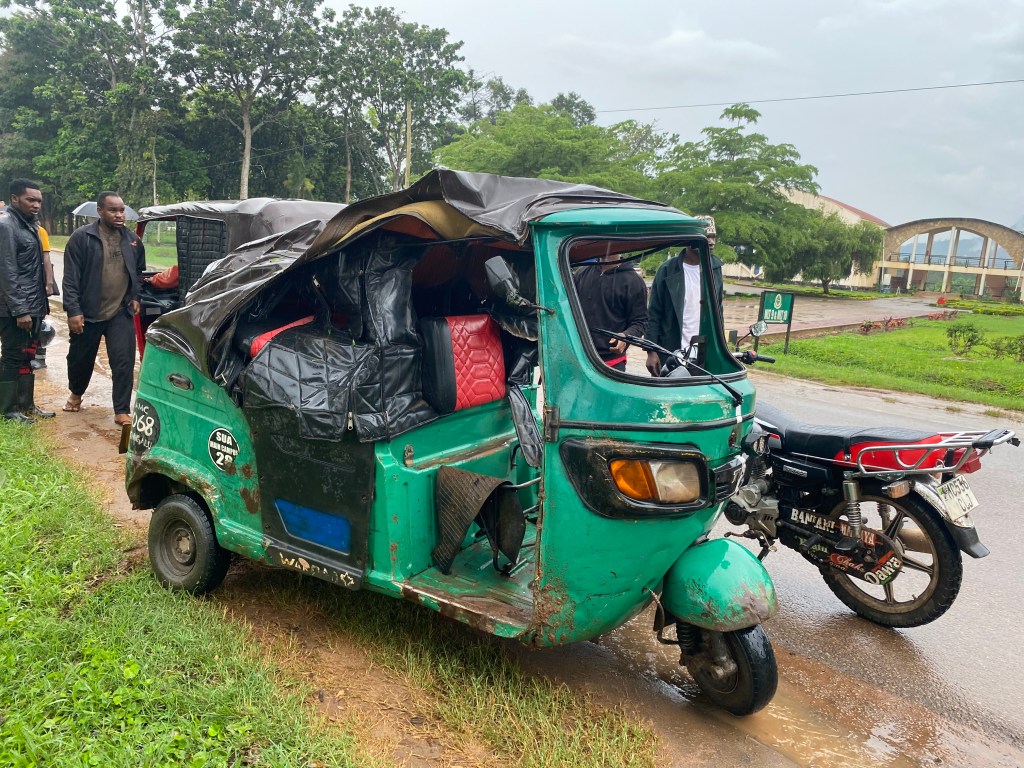
I was in an accident recently and am still recovering. The best and cheapest way to get around here is using bajaji’s (tuk tuk – three wheeled vehicle), other than a bicycle I bought. I was in the back of one and we hit another bajaji. Ours careened off the road into a ditch where we rolled on the side and then upside down. I got hit in the back quite hard. Upside down in the vehicle I crawled out onto the grass and rolled around on the ground for a minute with the wind knocked out of me. Two others were in the back with me. One got tossed out of the vehicle as it rolled, the other landed on me (picture below of the vehicle). A crowed gathered and there was lots of shouting and chaos. Someone showed up with a vehicle and took me and the others to a clinic where there was a doctor. I have big bruises on my chest and back, bruised ribs, but nothing broken, no cuts. Very fortunate. It was all very confusing and upsetting and it took the wind out of me physically and emotionally. After the initial shock and acute pain I have been going through the healing process. Healing takes time, healing is waiting. It happened three weeks ago and the pain is decreasing. The whole incident sapped much of my enthusiasm and interest about what I am doing here. Getting that early feeling of newness and inspiration is coming back – slowly.
In my last post I said I was going to focus and learn some Swahili. The accident really dampened my enthusiasm for learning the language. My CUSO friend Hanna, who is in Jamaica on a project just now, was in Tanzania ten or more years ago and she gave me with some interesting insights. She said, “The Swahili language is so beautiful in the way it sounds, because words consist of roots, with sing-song, same-sounding prefixes and suffixes and mid-word appendages, based on the sentence meaning, tense and plurality. Lots of wa’s and ma’s and va’s, and li’s and ta’s and tu’s.” This has helped me listen in a new way, to listen for the beauty in the language – the music. Everybody around me where I work speaks English, some very well, and some not as well but I can always communicate in English, and can always listen for the music. Of course relationships change when you speak the language, or at least attempt to speak, so learning Swahili is still a goal.
I wanted to do this kind of work for a variety of reasons like – I want to use what I know to help others, immerse myself in a totally different culture, and of course to experience and learn new things. But in the back of my mind I knew that over time the real reason for being here will reveal itself. So far, my biggest challenge is learning patience – I can learn a lot from waiting. I recall Herman Hesse’s book “Siddhartha” – When the merchant asked the young monk Siddhartha what he had learned, he answered: “I can think, I can wait, I can fast.” Of these, waiting is the most difficult. An essential skill here is being able to wait. I have spent many hours waiting for people to show up, meetings to start and waiting for all kinds of services … In my first week I had to get a Tanzanian bank account. I spent 10 hours over 3 days going through the process of getting a bank account. I applied for a bank card at the same time. I got it yesterday (took 7 weeks).
I have planned a trip during Christmas to go to Kigoma and Lake Tanganyika which is on the very western side of Tanzania. The lake is the second largest lake in the world and borders Burundi, Democratic Republic of Congo and Zambia. There are some historical aspects to the area but most notably is Gombe Stream National park where Jane Goodall did her research on Chimpanzees, which is where I will go for a few days and hopefully see come chimps. Ms. Goodall helped us see our genetic roots – reading her seminal book from 1971 – “In the Shadow of Man,’ it’s plain to see we share many base emotions and behaviours (and 98% of our genes). If you google Kigoma, Tanzania. one of the first things you will see is a famous meeting between Livingstone and Stanley. In November 1871, journalist Henry Morton Stanley located the missing missionary David Livingstone in the depths of Africa. This was occurring as the slave trade was booming, caravans of Arab traders were capturing people from the tribes in the Congo and regions all around the big lakes. They then marched them to Zanzibar – the largest slave market in East Africa. Livingstone on his final expedition was searching for the source of the Nile River (which was a big deal in the years of “exploration”). He was appalled at the slave trade but was forced to rely on Arab slavers for his survival for many years. This all happened just a short 150 years ago, fortunately humanity evolved significantly over that time. The concept of human rights was only a thought just 150 years ago. What will they think of us in 150 years?
In early December the CUSO country office is bringing all the CUSO Tanzania volunteers together on International volunteer day so it will be nice to meet people I have heard about or seen emails from but have not met. And it sounds like many Tanzanians go home to their villages over Christmas so there will be a break.
Thats the news from here.
Recent Posts



 Kilimanjaro Dreams
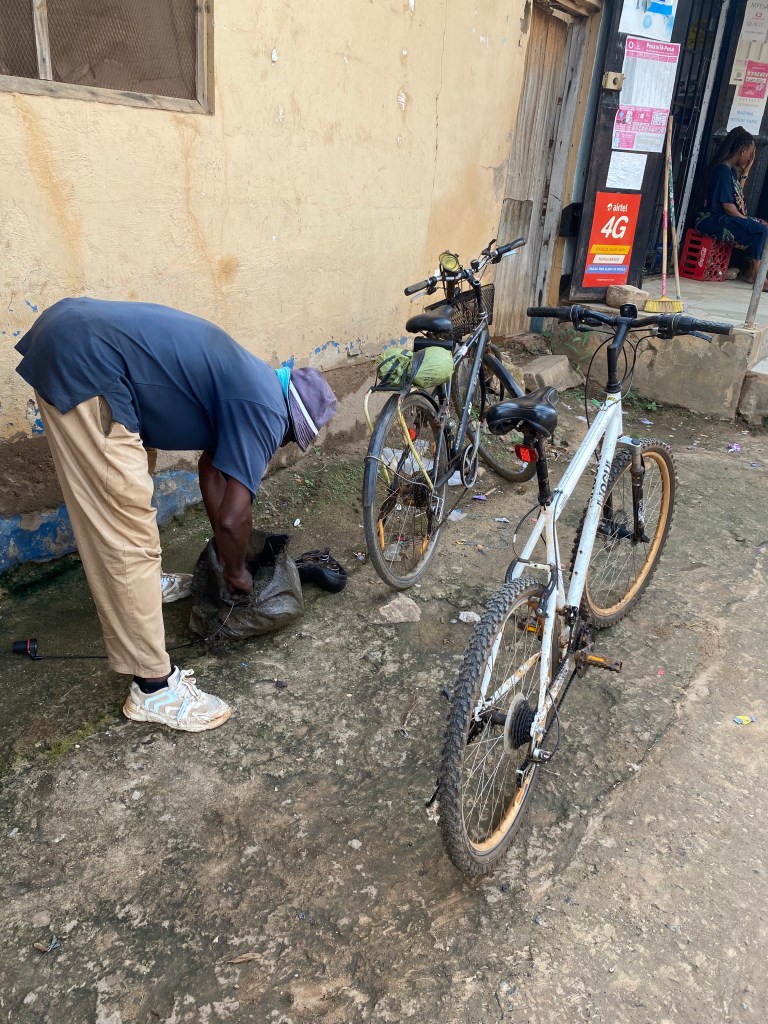
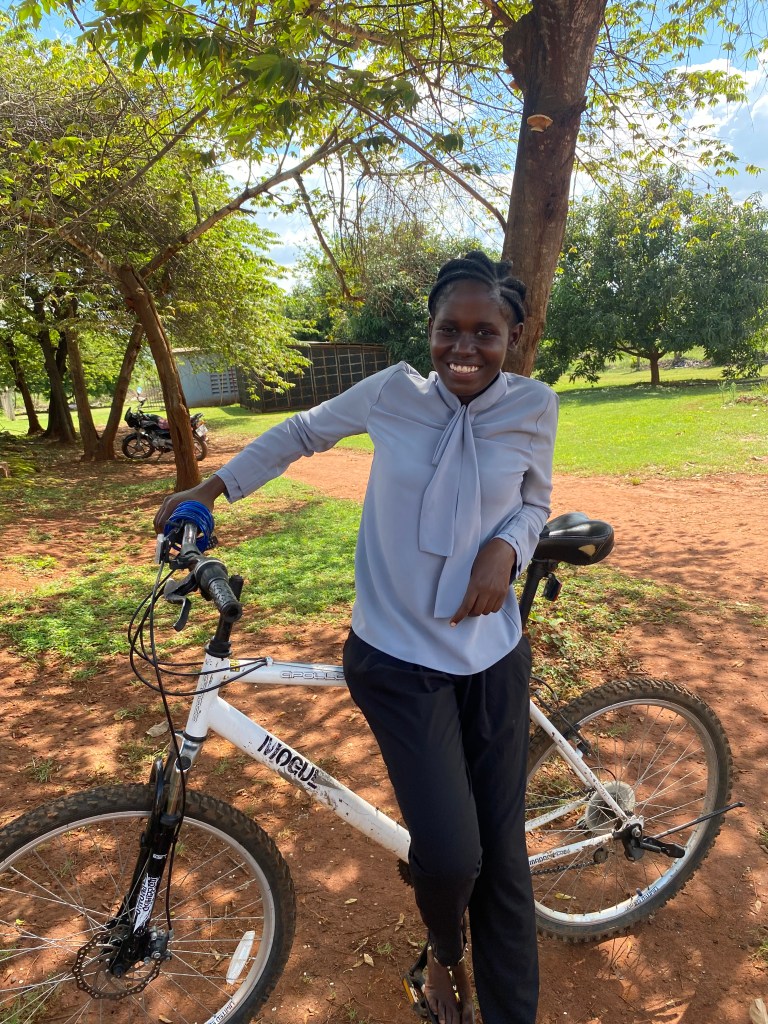
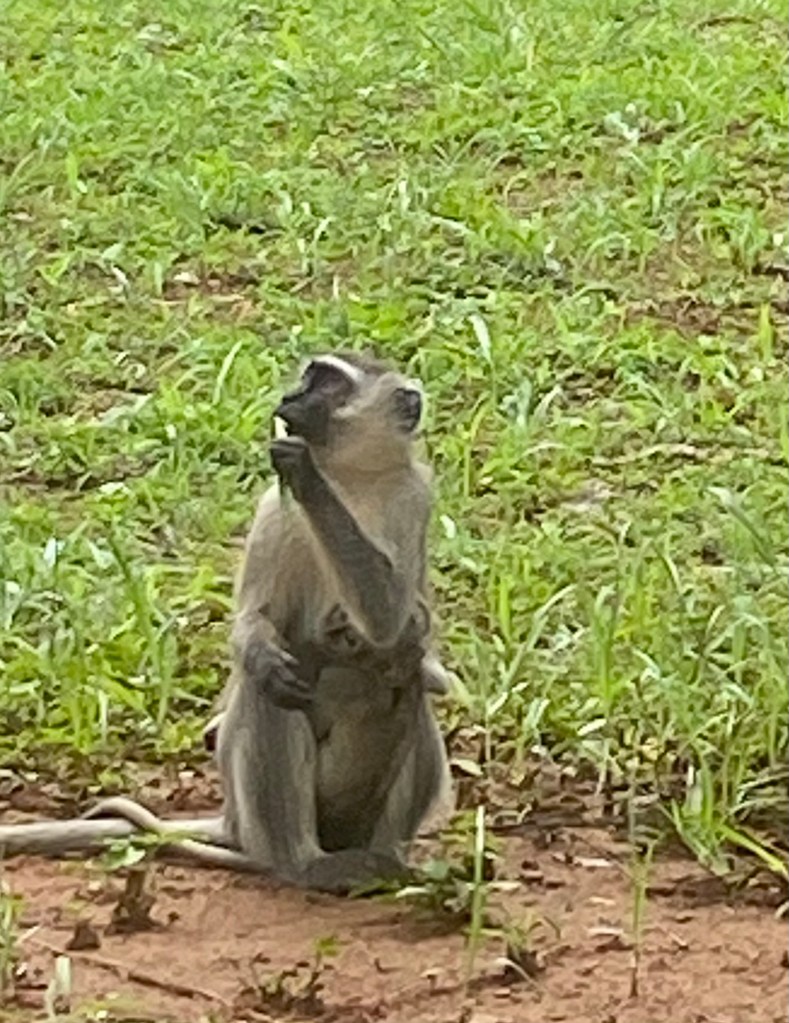
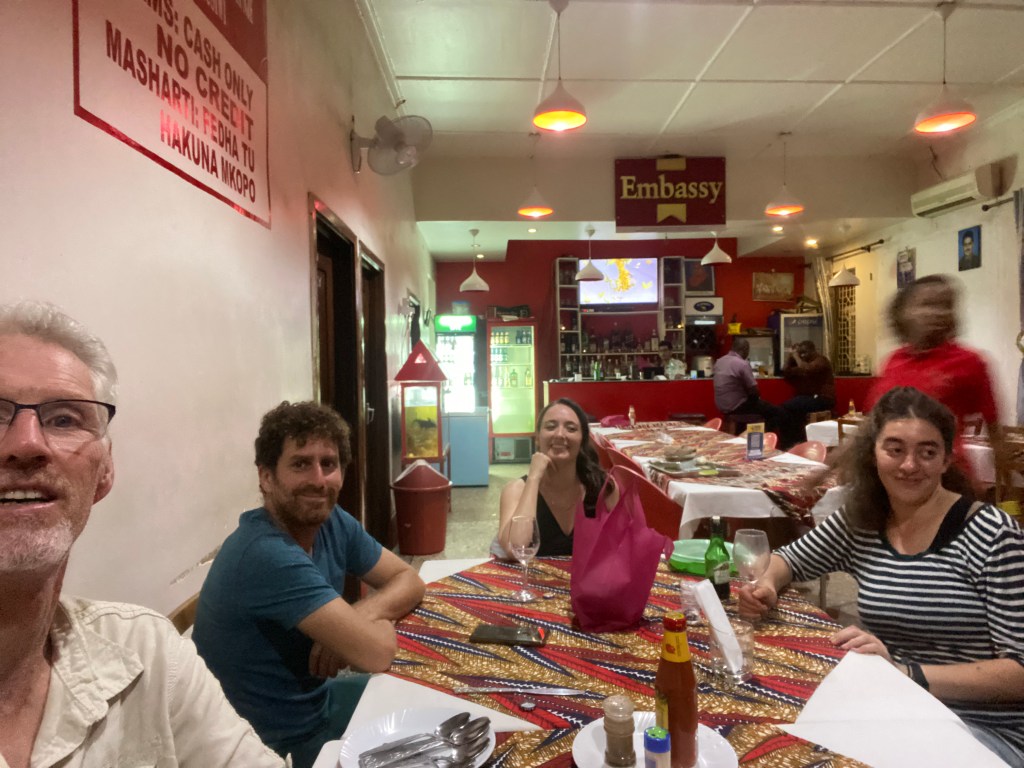
Melon, Mogul, Monkey. Going slow, with the flow, on yo community Mogul; tuktuk… no. Cash only at resto. Fun tho.
LikeLike
Hi James,
I hope your back feels better and that you get to taste some of those sweet melons. Thanks for sending us your report. It is a glimpse into another world. When you return to Canada, you will be in shock at the speed at which things happen. And the fact that we need a building for everything. That was my culture shock after Gene worked in the Cayman islands for 6 months some 35 years ago.
Merry Christmas and happy solstice! Tanna
LikeLike