Learning to Wait

The past several weeks have felt like one step ahead and two back. Things were exciting and new for a while, and nowย  โ€ฆย 

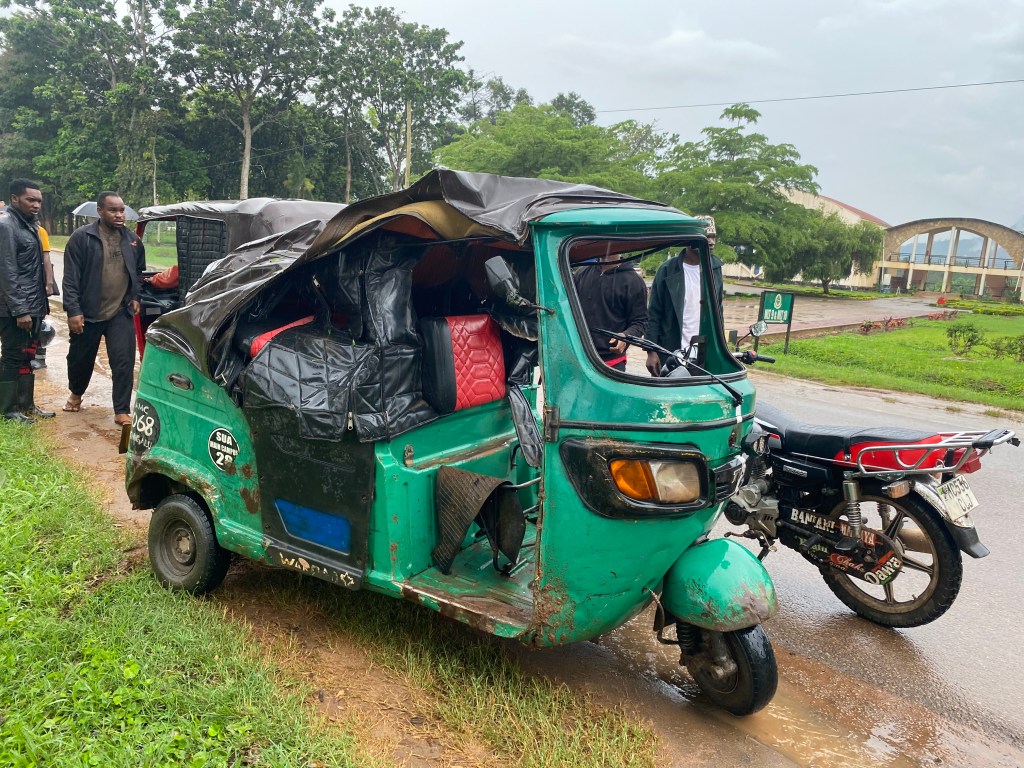
I was in an accident recently and am still recovering. The best and cheapest way to get around here is using bajajiโ€™s (tuk tuk – three wheeled vehicle), other than a bicycle I bought. I was in the back of one and we hit another bajaji. Ours careened off the road into a ditch where we rolled on the side and then upside down. I got hit in the back quite hard. Upside down in the vehicle I crawled out onto the grass and rolled around on the ground for a minute with the wind knocked out of me. Two others were in the back with me. One got tossed out of the vehicle as it rolled, the other landed on me (picture below of the vehicle). A crowed gathered and there was lots of shouting and chaos. Someone showed up with a vehicle and took me and the others to a clinic where there was a doctor. I have big bruises on my chest and back, bruised ribs, but nothing broken, no cuts. Very fortunate.ย  It was all very confusing and upsetting and it took the wind out of me physically and emotionally. After the initial shock and acute pain I have been going through the healing process. Healing takes time, healing is waiting. It happenedย  three weeks ago and the pain is decreasing. The whole incident sapped much of my enthusiasm and interest about what I am doing here. Getting that early feeling of newness and inspiration is coming back – slowly.ย 

In my last post I said I was going to focus and learn some Swahili. The accident really dampened my enthusiasm for learning the language. My CUSO friend Hanna, who is in Jamaica on a project just now, was in Tanzania ten or more years ago and she gave me with some interesting insights. She said,ย  โ€œThe Swahili language is so beautiful in the way it sounds, because words consist of roots, with sing-song, same-sounding prefixes and suffixes and mid-word appendages, based on the sentence meaning, tense and plurality. Lots of waโ€™s and maโ€™s and vaโ€™s, and liโ€™s and taโ€™s and tuโ€™s.โ€ย  This has helped me listen in a new way, to listen for the beauty in the language – the music. Everybody around me where I work speaks English, some very well, and some not as well but I can always communicate in English, and can always listen for the music.ย  Of course relationships change when you speak the language, or at least attempt to speak, so learning Swahili is still a goal.ย 

I wanted to do this kind of work for a variety of reasons like – I want to use what I know to help others, immerse myself in a totally different culture, and of course to experience and learn new things. But in the back of my mind I knew that over time the real reason for being here will reveal itself.  So far, my biggest challenge is learning patience – I can learn a lot from waiting.  I recall Herman Hesseโ€™s book โ€œSiddharthaโ€ – When the merchant asked the young monk Siddhartha what he had learned, he answered: โ€œI can think, I can wait, I can fast.โ€ Of these, waiting is the most difficult. An essential skill here is being able to wait. I have spent many hours waiting for people to show up, meetings to start and waiting for all kinds of services โ€ฆ In my first week I had to get a Tanzanian bank account. I spent 10 hours over 3 days going through the process of getting a bank account. I applied for a bank card at the same time. I got it yesterday (took 7 weeks). 

I have planned a trip during Christmas to go to Kigoma and Lake Tanganyika which is on the very western side of Tanzania. The lake is the second largest lake in the world and borders Burundi, Democratic Republic of Congo and Zambia. There are some historical aspects to the area but most notably is Gombe Stream National park where Jane Goodall did her research on Chimpanzees, which is where I will go for a few days and hopefully see come chimps. Ms. Goodall helped us see our genetic roots – reading her seminal book from 1971 – โ€œIn the Shadow of Man,โ€™ itโ€™s plain to see we share many base emotions and behaviours (and 98% of our genes).ย  If you google Kigoma, Tanzania. one of the first things you will see is a famous meeting between Livingstone and Stanley. In November 1871, journalist Henry Morton Stanley located the missing missionary David Livingstone in the depths of Africa. This was occurring as the slave trade was booming, caravans of Arab traders were capturing people from the tribes in the Congo and regions all around the big lakes. They then marched them to Zanzibar – the largest slave market in East Africa. Livingstone on his final expedition was searching for the source of the Nile River (which was a big deal in the years of โ€œexplorationโ€). He was appalled at the slave trade but was forced to rely on Arab slavers for his survival for many years. This all happened just a short 150 years ago, fortunately humanity evolved significantly over that time. The concept of human rights was only a thought just 150 years ago. What will they think of us in 150 years?ย 

In early December the CUSO country office is bringing all the CUSO Tanzania volunteers together on International volunteer day so it will be nice to meet people I have heard about or seen emails from but have not met. And it sounds like many Tanzanians go home to their villages over Christmas so there will be a break. 

Thats the news from here. 

Recent Posts

A Month in Morogoro – Tanzania

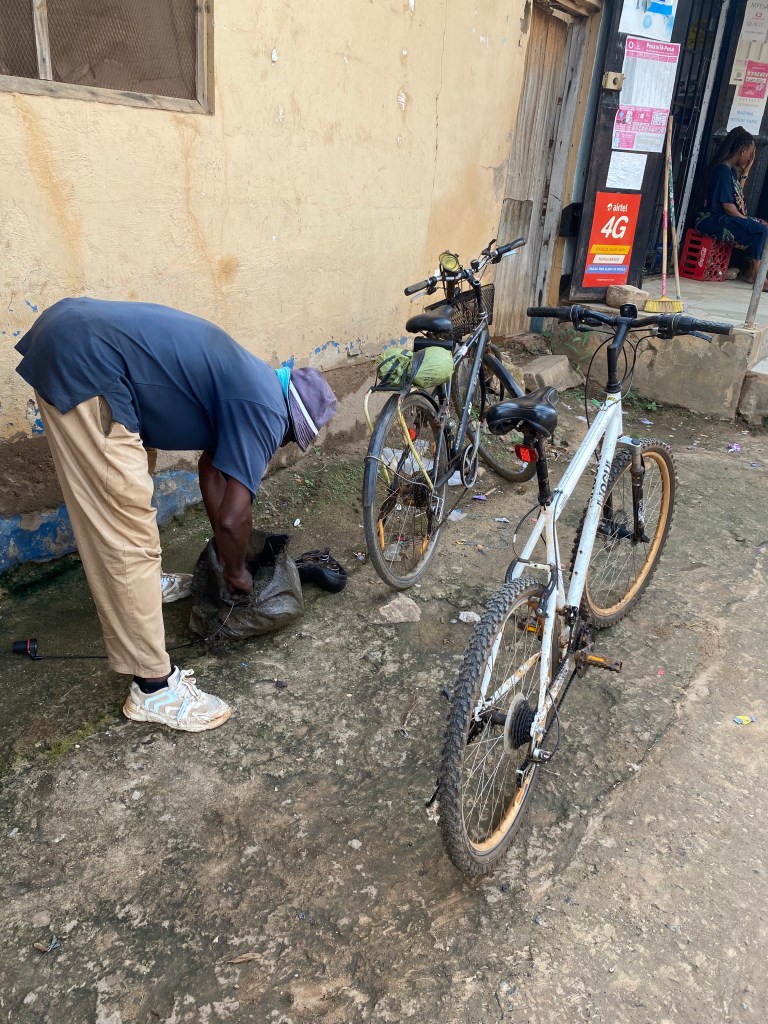
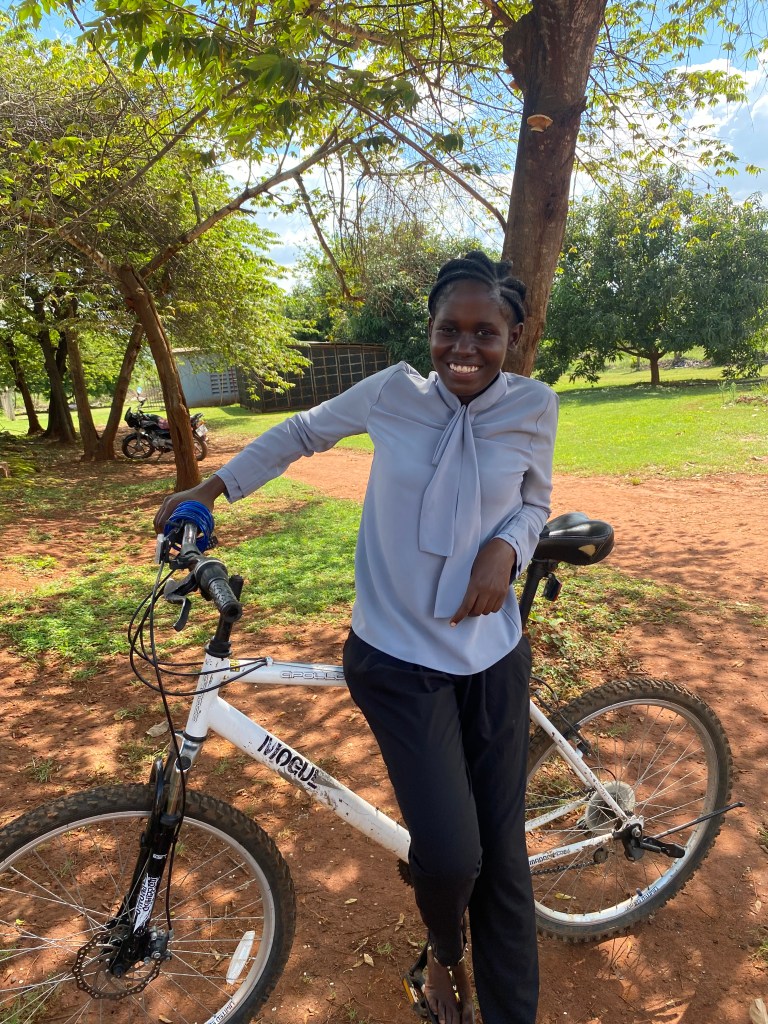
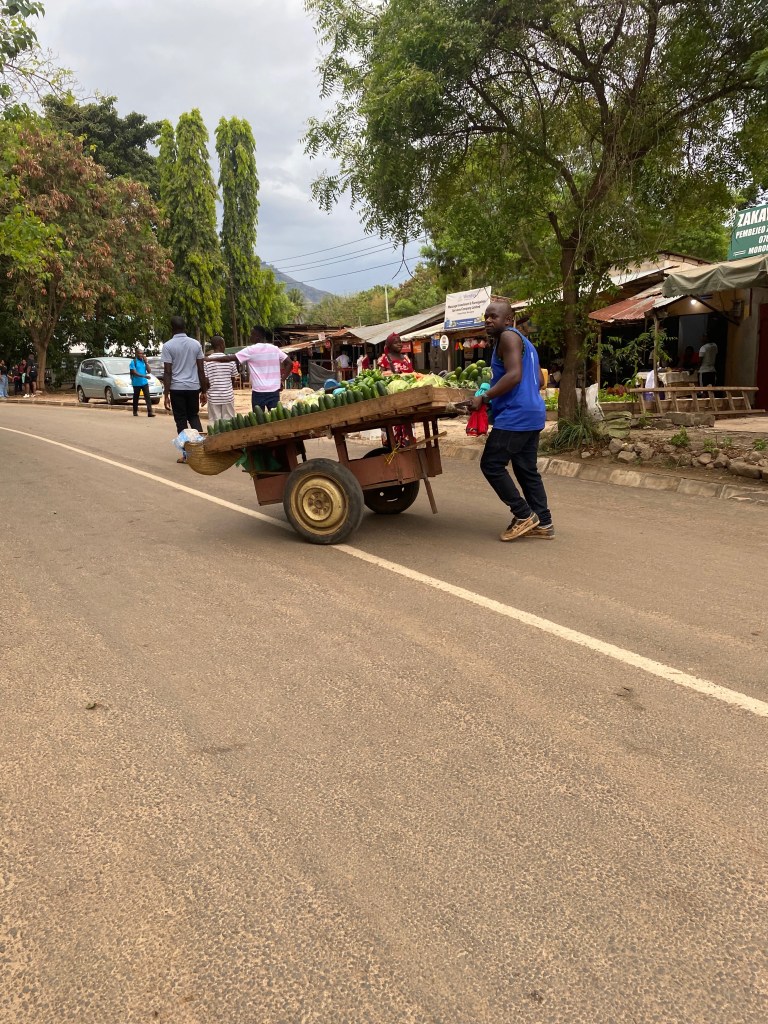
Iโ€™m getting into the daily routine. Get to work, work, after work.ย  The short rainy season – Nov-Dec has started so now is it is cooler and very wet. I bought a mountain bike to get around. I rode into the farm today and got soaked, but it is warm so itโ€™s fine.ย  The main rainy season starts in March and goes through till end of June. How very Canadian of me to start with comments about the weather ๐Ÿ™‚

I am involved with a couple of interesting projects. Cassava is currently being grown and dried in the Kigoma region in western Tanzania as whole tubers, much of which is sold in Rwanda, Burundi, Uganda and elsewhere for processing into flour and they also make beer out of it. The quality of the tubers can be vastly improved through better drying systems and storage. Currently, cassava producersโ€™ dry cassava tubers by laying them out on the ground in rows under direct sunlight. So there is a lot of rot when they do this. 

I am writing a concept note seeking interest and funding for a project where we will use solar greenhouses with racks to dry cassava. Effective drying would improve the value of the product and provide additional income to cassava farmers, increase employment for women and youth in processing and potentially create many additional opportunities along the cassava value chain for Tanzanians. We are also developing effective systems to remove and dry the peels which can add value and provide an additional source of income for current and new participants in the cassava value chain.  Dried peels can be used to make animal feed, fertilizer and as a charcoal binder. 

Iโ€™m also working with a young entrepreneur here who is developing irrigation systems and I am developing a project to automate irrigation on this farm and prove the young entrepreneurย  an opportunityย  to show case and test his equipment.ย 

And just became part of a team to implement a project with the UNDP to train and support 400 farmers in Kigoma region. Kigoma Region is on Lake Tanganyika which borders with the Democratic Republic of Congo, Burundi and Zambia.

There are a few expats around doing interesting things. Last weekend we hiked up to a waterfall and met an American woman who is working at the university here training rats to find victims in earthquakes. Next week Iโ€™m going to volunteer to be a subject for the rats to find. They will hide me and the rats will come and look for me. See the links the rats walk around with little backpacks with cameras.ย Check out these links.

https://www.cnn.com/2022/10/24/world/search-and-rescue-rats-apopo-hnk-spc-intl/index.html

https://youtu.be/vxO2XE6EDrQ?si=PkODAH_4bsE4lA_i

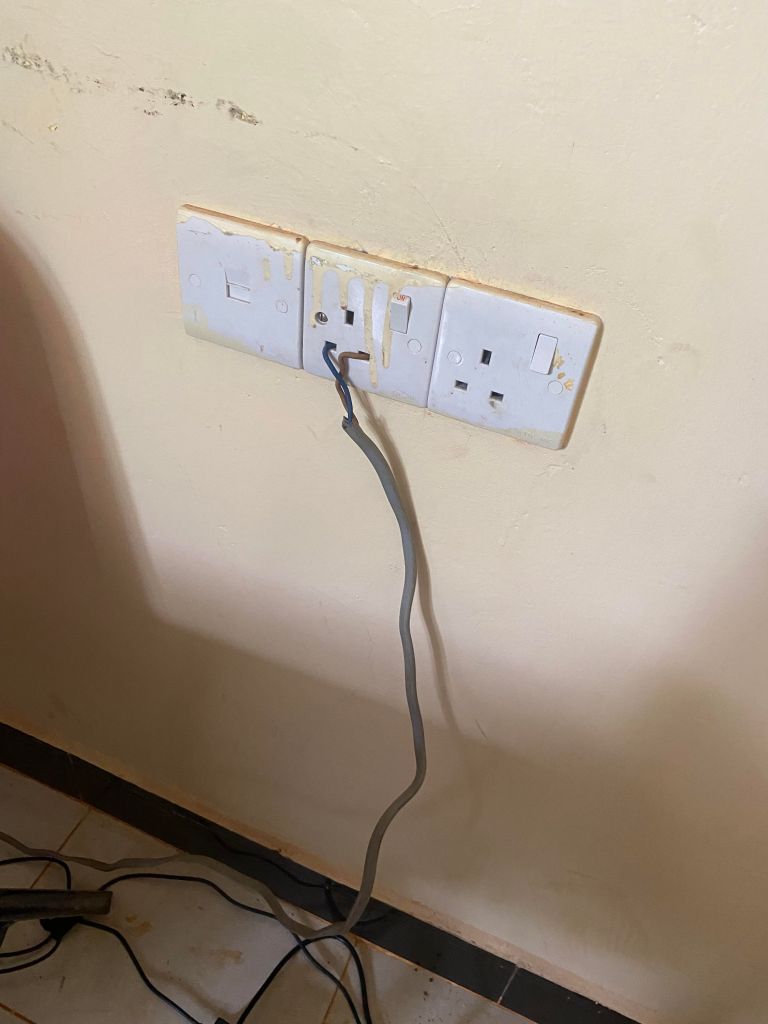
Wifi and power is sporadic and unreliable. Recently with one of the power outages – which occur mostly every day and usually for a minimum of 6 hours, the the farm people ย hooked up a generator to the building to get power by sticking wires from the generator into a light socket (see pic below), whichย usually works but this time there was a power surge from the generator and all kind of devices got fried, including the wireless router.ย The power is out today and the generator is roaring in the background and the power seems stable although I am constantly watching where my computer is plugged in. Last week one of the other CUSO volunteers had her phone charging and I happened to be looking at the plug and her chord started smoking. Yikes.ย 

My biggest challenge is learning Swahili so this has to be my next focus. Now that I have started with some projects I need to get back to the books and develop some language skills.ย It will be a richer experience if I do so. Maybe more effective too.

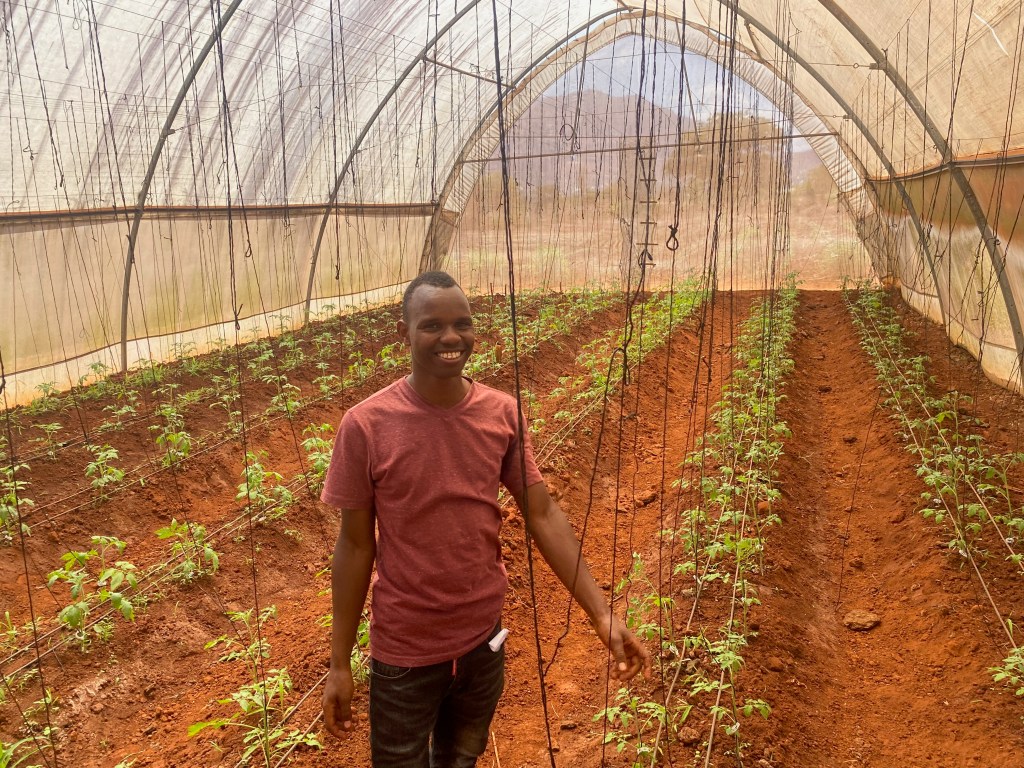
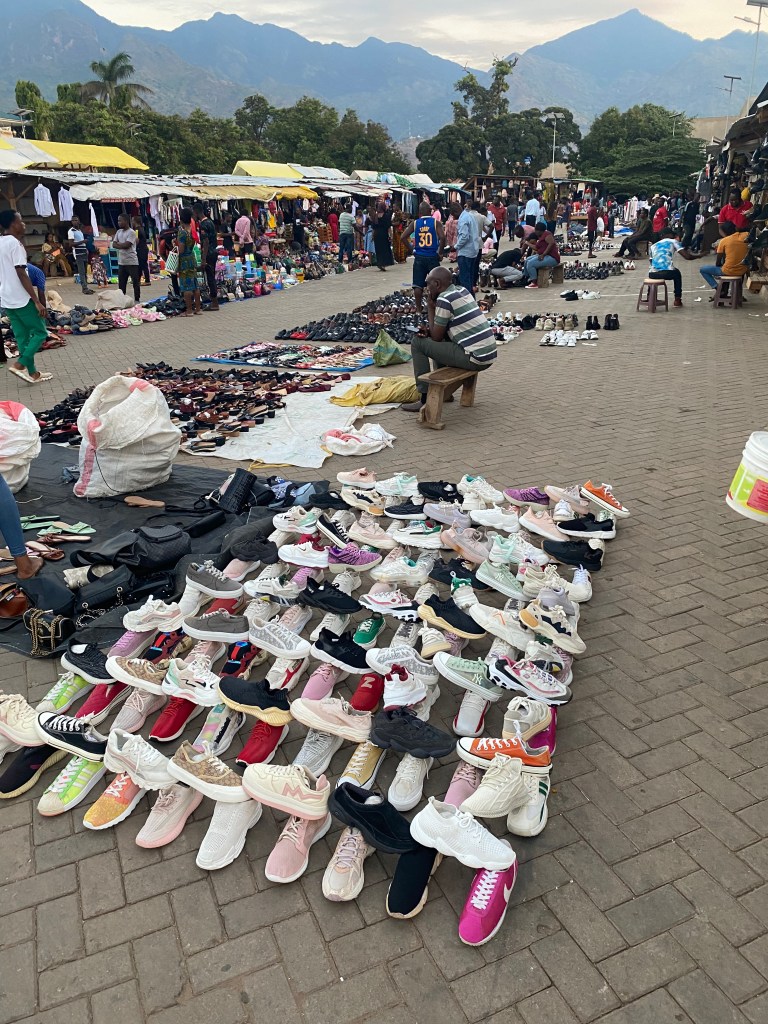
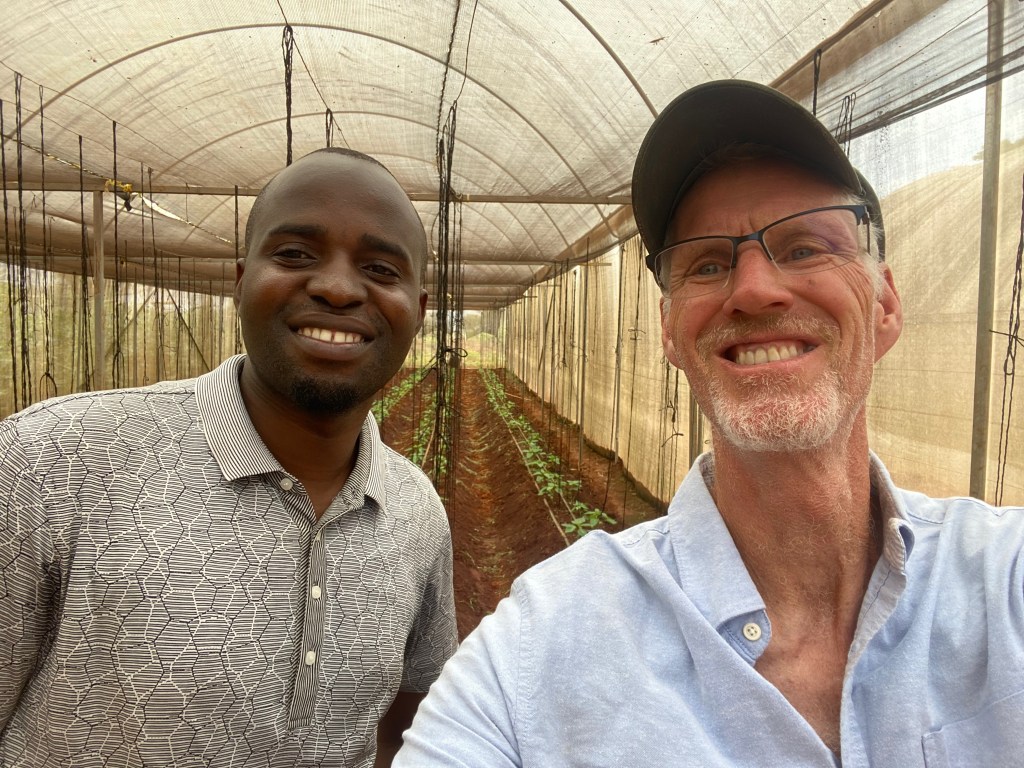
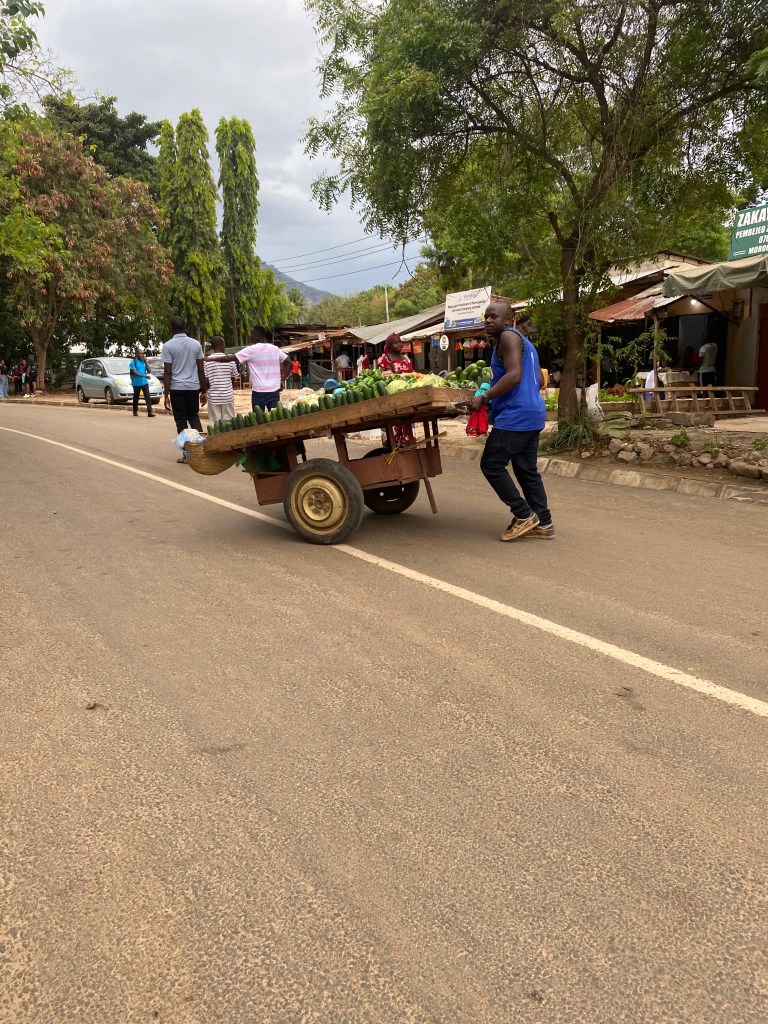
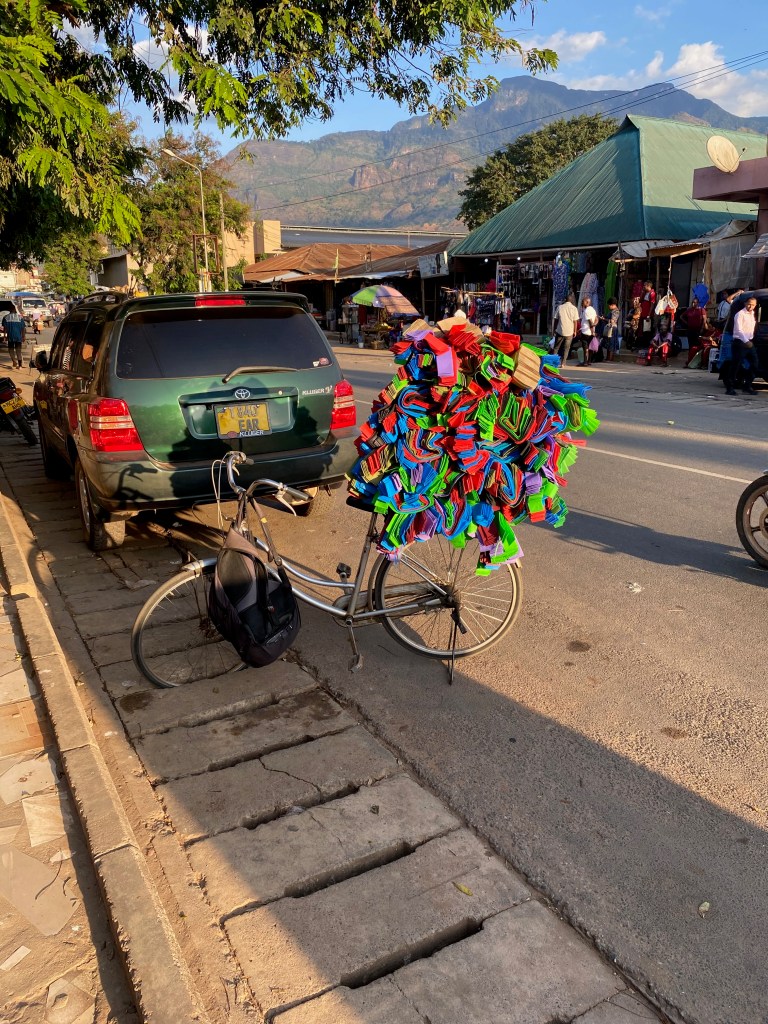
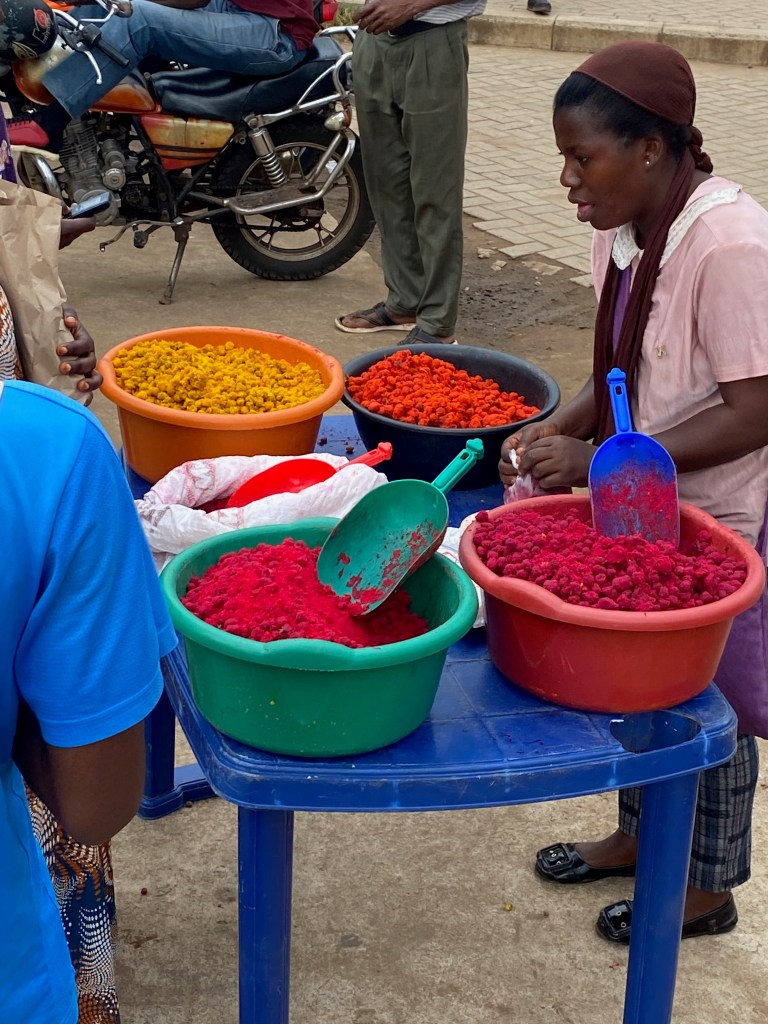
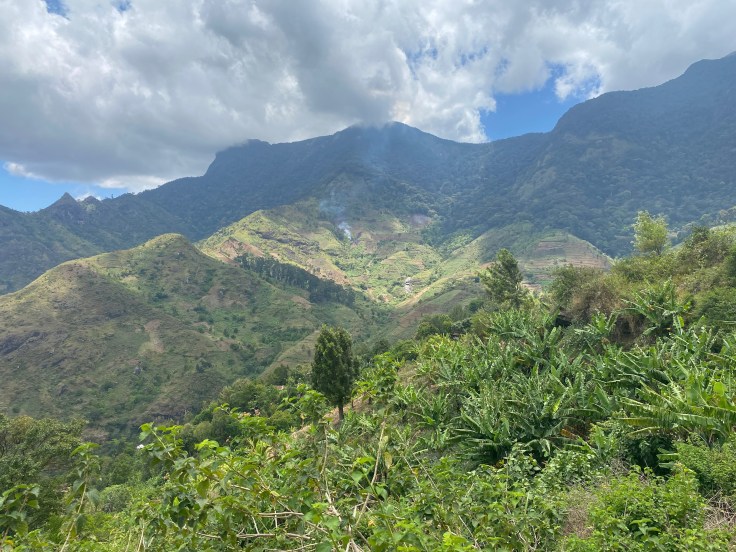
Some recent pics.

First Weeks in Tanzania

My first 2 weeks in Tanzania were unusual for a CUSO placement like mine. I arrived in Dar e Salaam on Oct 1, simultaneously, Marianna, from Ottawa, who is the person who recommended me for my position here, had scheduled a trip to Tanzania at the same time to meet the Tanzania CUSO staff and connect with other volunteers and CUSO projects in the country. 

As a result I was able to tag along with Marianna and Eunice (Tanzania CUSO volunteer support manager). Eunice wanted to show some of the sites in Tanzania to Marianna so I got to go along on some of these trips. 

I spent 6 days in Dar e Salaam where I had an intro to the work and projects in Tanzania and had several days of  lessons with a Swahili teacher. During that time I checked out some of the sites in the city. Dar is a city of over 7 million people. I did not enjoy the traffic and insane driving, crowds and poverty everywhere. I was trying to figure out a lot of things during that time and had to get a bank account and a Tanzania phone number. I spent many hours in a bank going from one desk to another to sign up for an account and a similar experience getting a Tanzanian phone number. There a lot of people wanting similar services and waiting is the key quality needed here. During that time I got travellers diarrhea which was super fun. During this time Marianna and Eunice were in other parts of the country visiting volunteers and projects. 

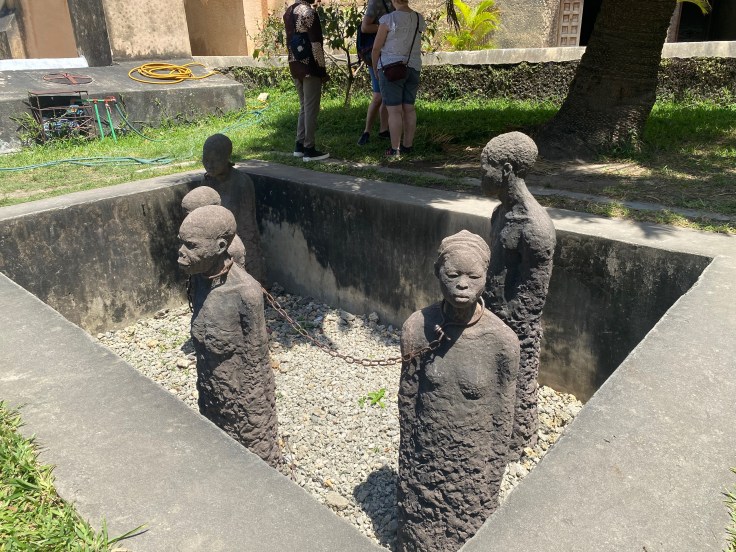
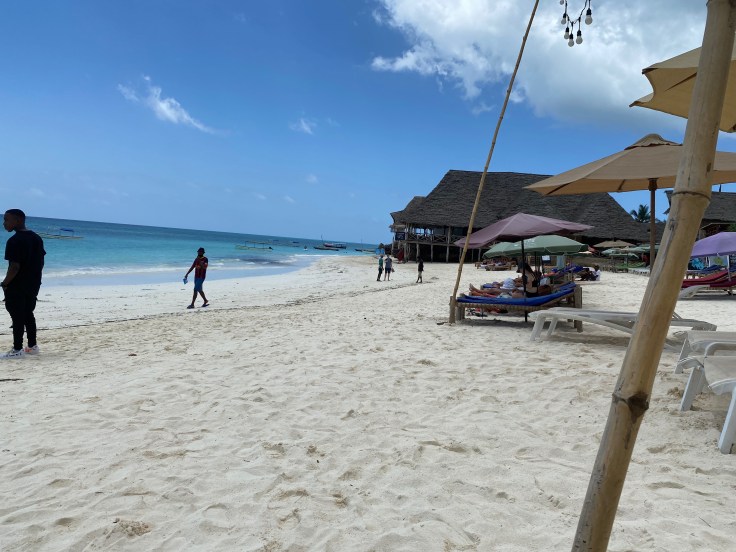
On my first weekend I went with Eunice and Marianna to Zanzibar. Zanzibar is a group of islands off the coast of Tanzania, a 2 hour fast ferry from Dar e Salaam.  It has a rich and dark history. There is a strong Arab/muslim culture there and many women are completely covered in hijab. It was a separate country until unification in 1964 and hosted the largest slave market in East Africa. (1830 -1873) . We went to the location of the slave market and went into a dungeon where slaves were stuffed into for up to 10 days before being sold. I felt ill being there. Many spices are grown on the islands where we did a tour on a spice farm. 

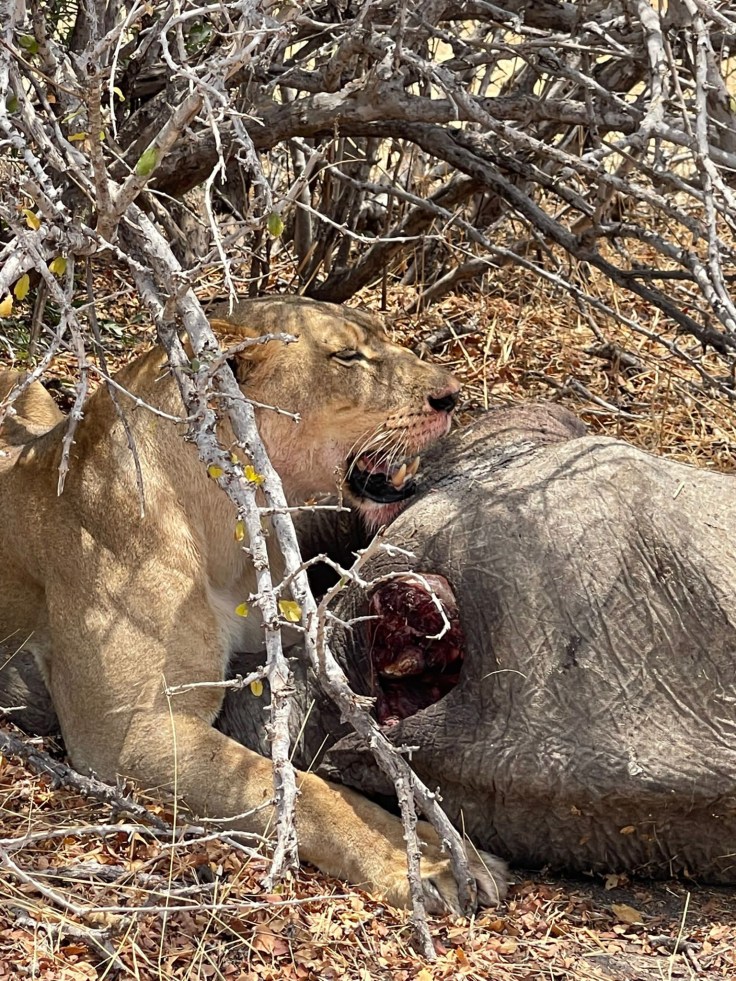
After Zanzibar we traveled to Morogoro where I am working but Mariana wanted to see the animals in one of the big parks so we went to Iringa and from there to Ruaha National park which is the largest protected area in Tanzania and East Africa. We saw all the animals you would imagine in Africa – lions, giraffes, zebras, warthogs, water buffalo, antelope, impala’s, baboons, jackals, hippos, elephants  and crocodiles. 

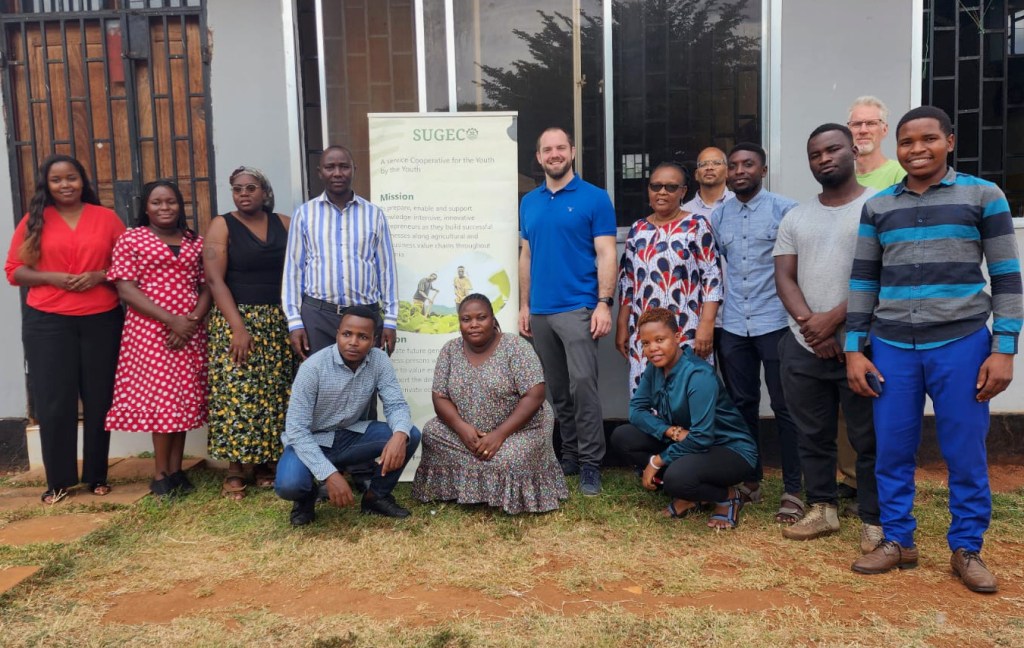
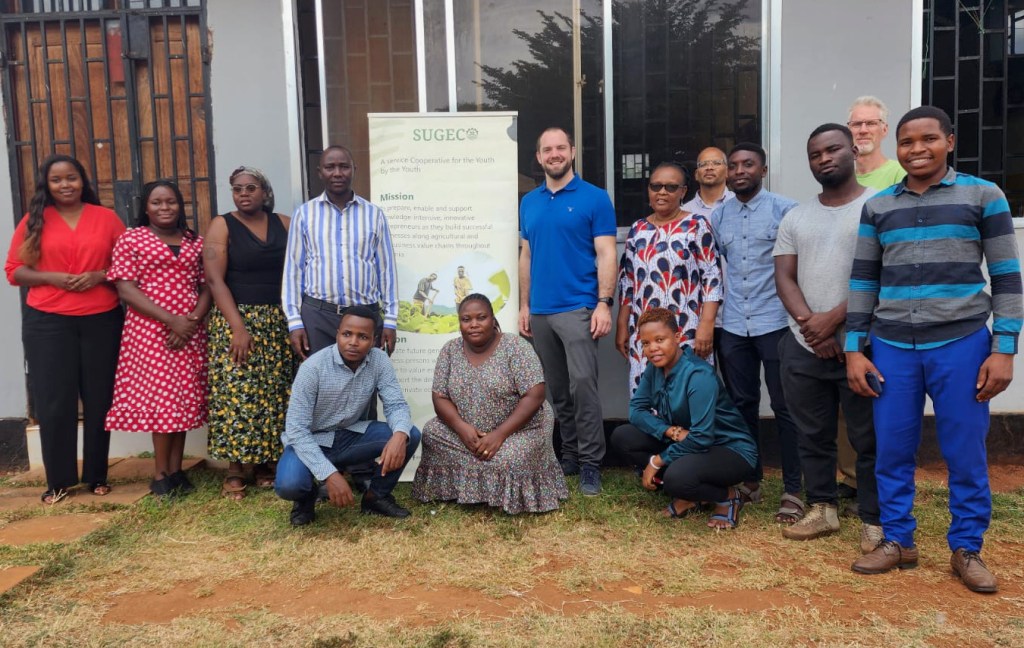
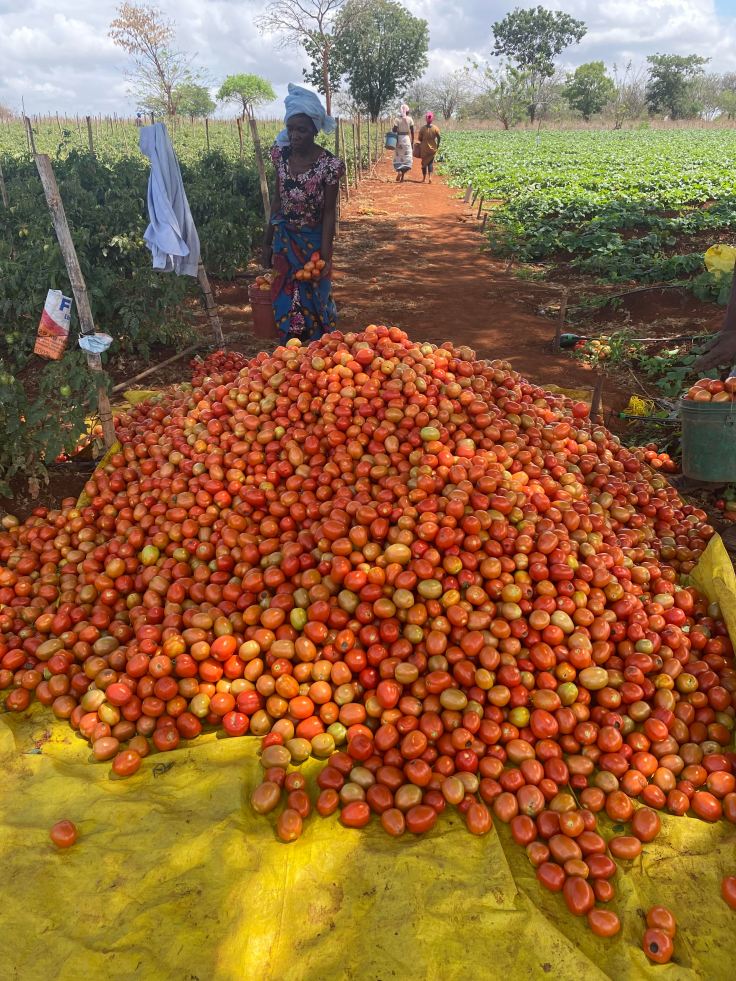
Now I am in my quarters in Morogoro and have started work at the farm just on the edge of town near the agriculture university campus. Sugeco ( https://www.sugeco.or.tz ) is the name of the organization. Tonight I have power but 1/2 of the time there is no power in the evening. The reservoir us low at this time of year – we are at the end of the dry season, so they are conserving water to generate power. 

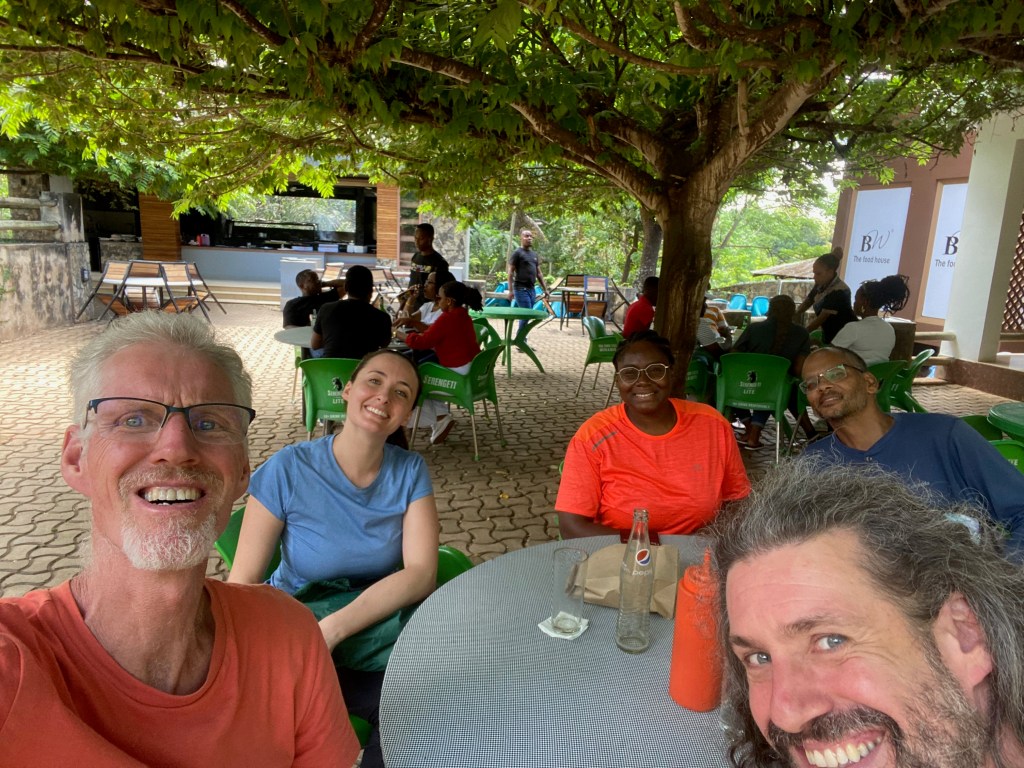
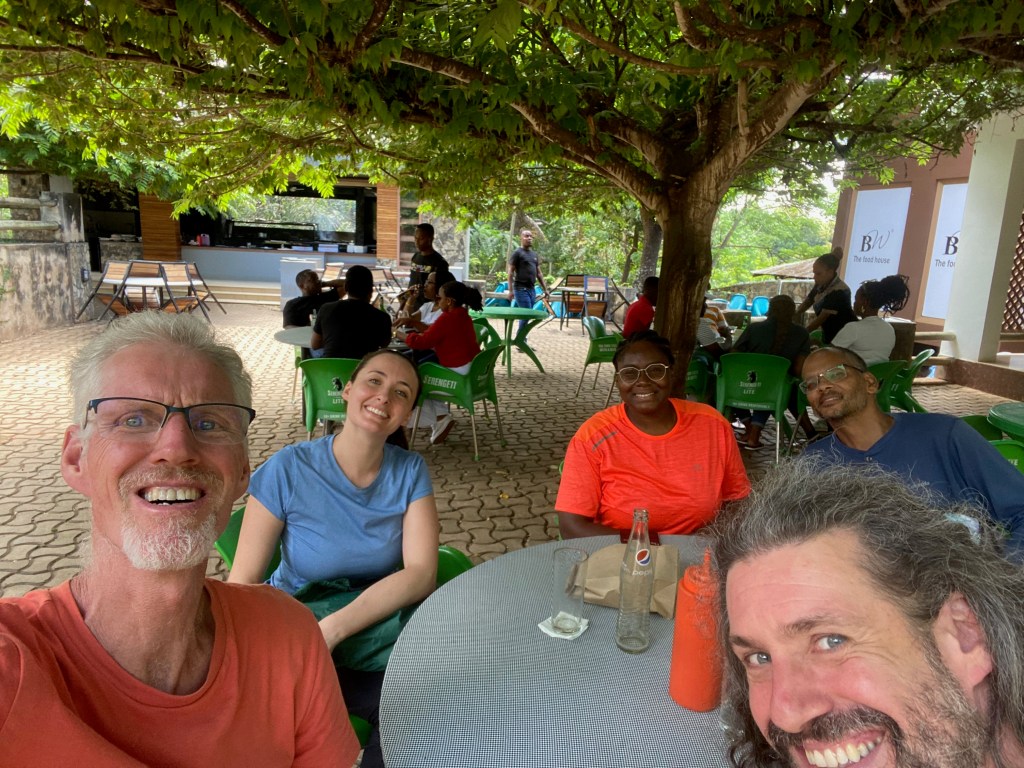
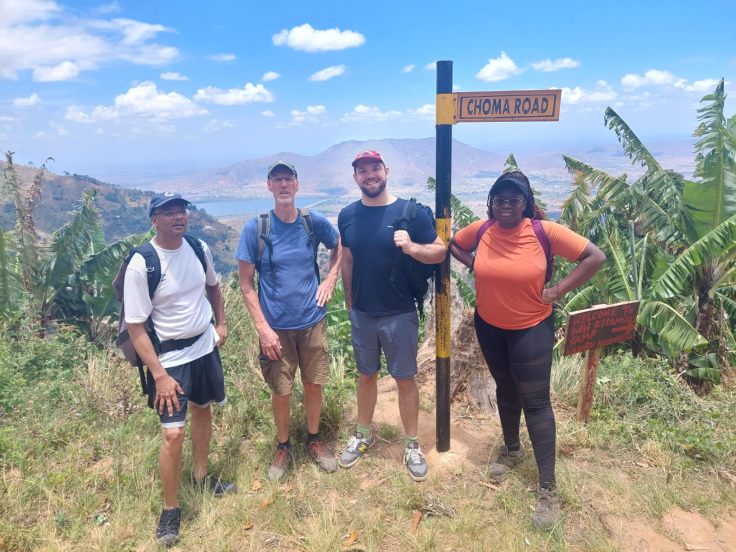
Its early days so I donโ€™t have much to say about my work except that the head farmer is glad I am here. He has great expectations. I will be with the farm crew much of the time it sounds like. It is hot here – between 30 and 34 most days. Humid and right now very sunny. A short rainy season starts in November through Christmas and then the real rainy season is March – June. There are two other CUSO volunteers – Chris and Abisola and I have been hanging out with them and have done some outings including a hike up to a waterfall in the mountains above town. 

Tanzanian people are very low key, speak softly and don’t want attention. Respect seems to be a key value. When I go into town to buy things people are very helpful, not too pushy, but are poor and I am rich so everybody wants a piece of that. It is a very young country – meaning it is unusual to see many people over 60. Children and young people often say nakuhshimu to me which means I respect you. This is a greeting from a younger person to an older person. There is a quiet respect and dignity here. Now that I am an old fart at 61, I finally get a little respect ๐Ÿ™‚

With three or four people siting at a table talking, you canโ€™t hear them talking. I am continually have to ask for people to speak louder. 

Thats all for now .

Risky Business

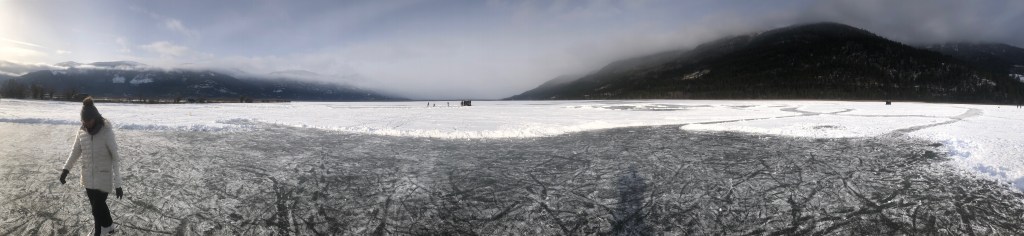
The ice on Duck Lake is 2-3 inches thick say the ice fishers. Safe ice is about 4 inches.

But the lake is only 1-2 feet deep. So, not much of a risk.

The panorama is just Ducky!

Blooming

My intension is to appreciate the beauty around me,. To be able to drink in the natural wonders.

This flows out of work I have been doing to have a fuller experience of life. For years I have been closed to everything and everyone I am in relation to. 

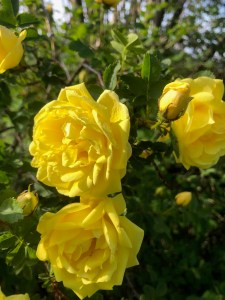
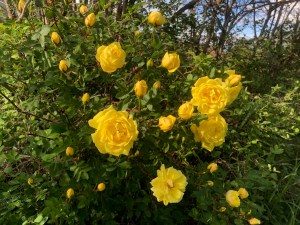
The intention opened me to what was probably obvious but I felt I had just discover ed this amazing Yellow Rose along our fence line. 

Walking the dogs out to the back end last Saturday a few yellow blooms caught my eye. I had not seen this last June. How could I have missed it. What fog was covering my eyes. 

Now this week I have watched it unfold in to a plethora of blooms. Spectacular.  Maybe I am blooming. 

The Yellow Rose is a symbol of opening, opening to an expanded experience of myself.

Blog at WordPress.com.

Up ↑