
There are many attractions in the city of Arusha and the northern regions of Tanzania. With my time running out it was time to visit.
Sites to see include Mount Kilimanjaro, Serengeti Plains, Ngorogoro crater, Olduvai gorge (where the first hominoids were discovered) as well as many other national parks with flora and fauna not seen elsewhere. As well this is the home region of the Maasai tribe who mostly live a traditional village life grazing cattle.
It would be easy to spend a lot of time and money exploring the region, both of which I do not have. I took a 10-hour night bus from Morogoro to Arusha, spent 4 days seeing things and then returned on a 10-hour night bus back home.
I did not have a plan nor did I really narrow down what I wanted to see. I am pathetic making decisions on what to do via internet research. Everything looks amazing in pictures and the prices for doing any of these things seem insane.
Many of the people I work with are from the Chagga tribe who originally resided on the slopes of Mount Kilimanjaro, the wealthiest tribe in Tanzania who got that way from the growing crops in rich volcanic soils around the mountain. The agricultural aspect intrigued me.
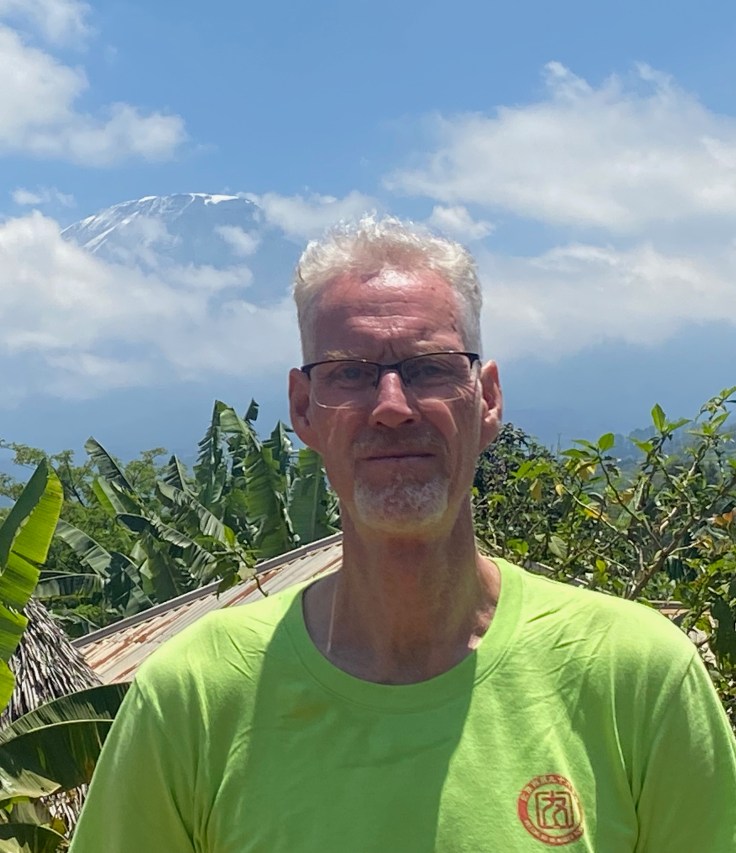
I took a daladala to Moshi from Arusha. Daladala are local buses that never refuse a passenger, stuffing people on top of each other and they stop everywhere to pick and drop off passengers. I have never seen other muzungos take these buses, but these contact sport transport options are where the life is. Daladala don’t run on a schedule, instead they wait at the bus stand until there is absolutely no more room to fit anybody on the bus and then they depart. While waiting, vendors outside yell selling food, drinks, cell phone chargers, shoes, jewelry and more to suffering passengers. Somehow it all works, albeit uncomfortably so.

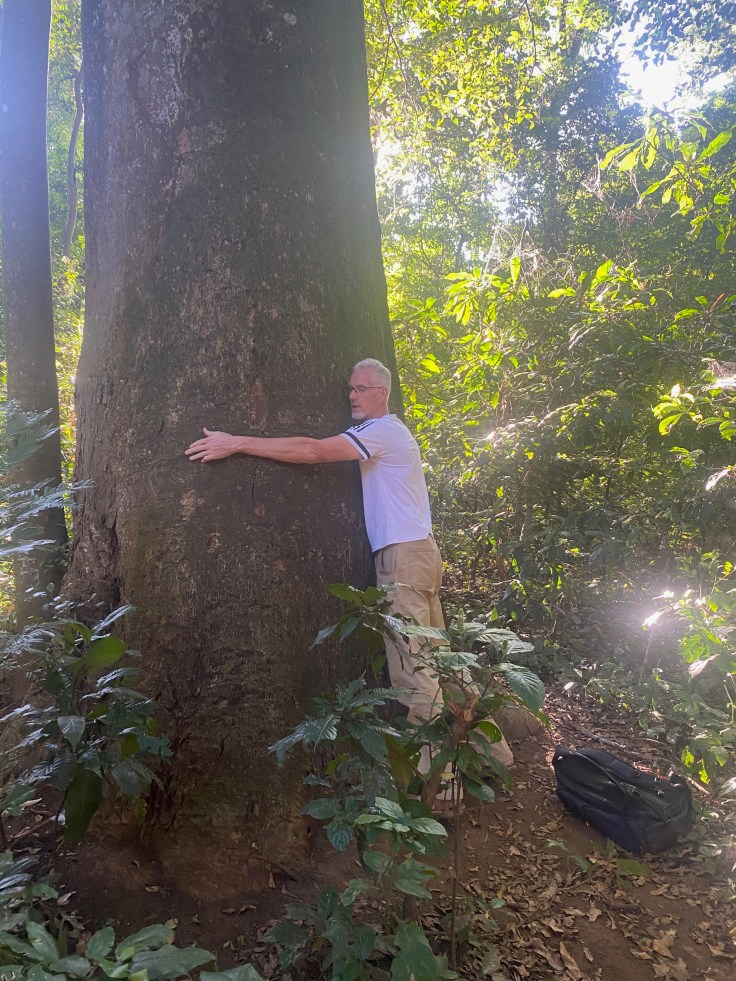
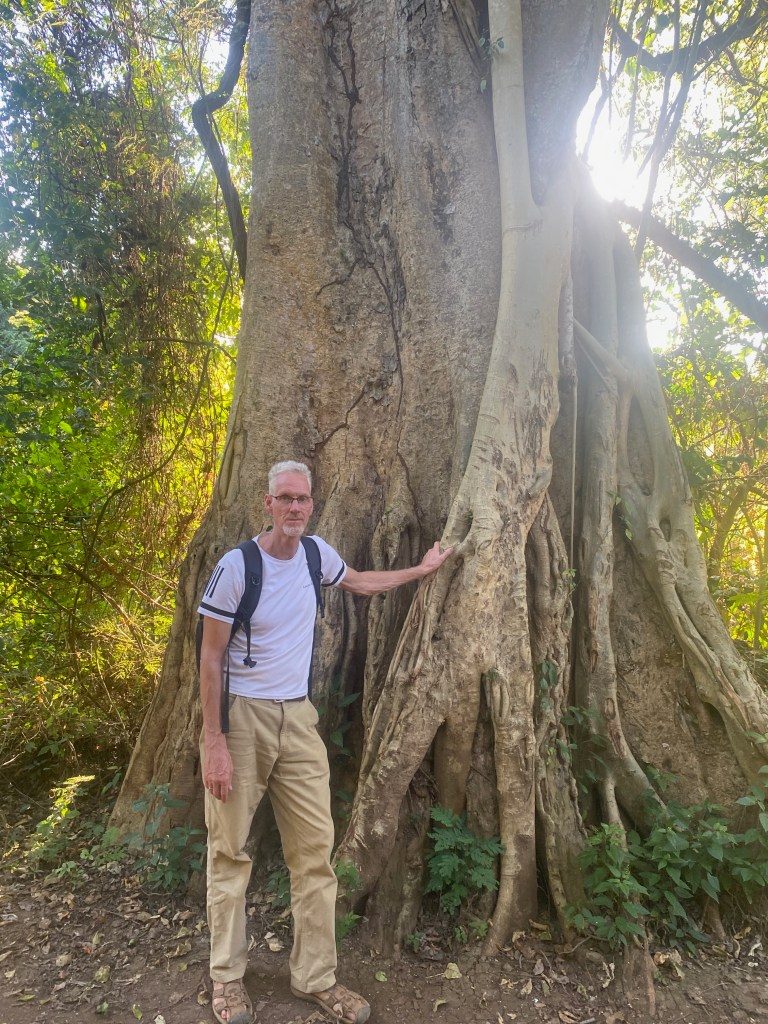
Moshi is a town on the foot of the volcano where I took a hike in a forest on the edge of town with some giant trees hosting Black and White Colobus and Blue monkeys (Rau Forest Reserve) and later rode on the back of a bodaboda (a motorcycle) up the side of the volcano to an organic coffee plantation.
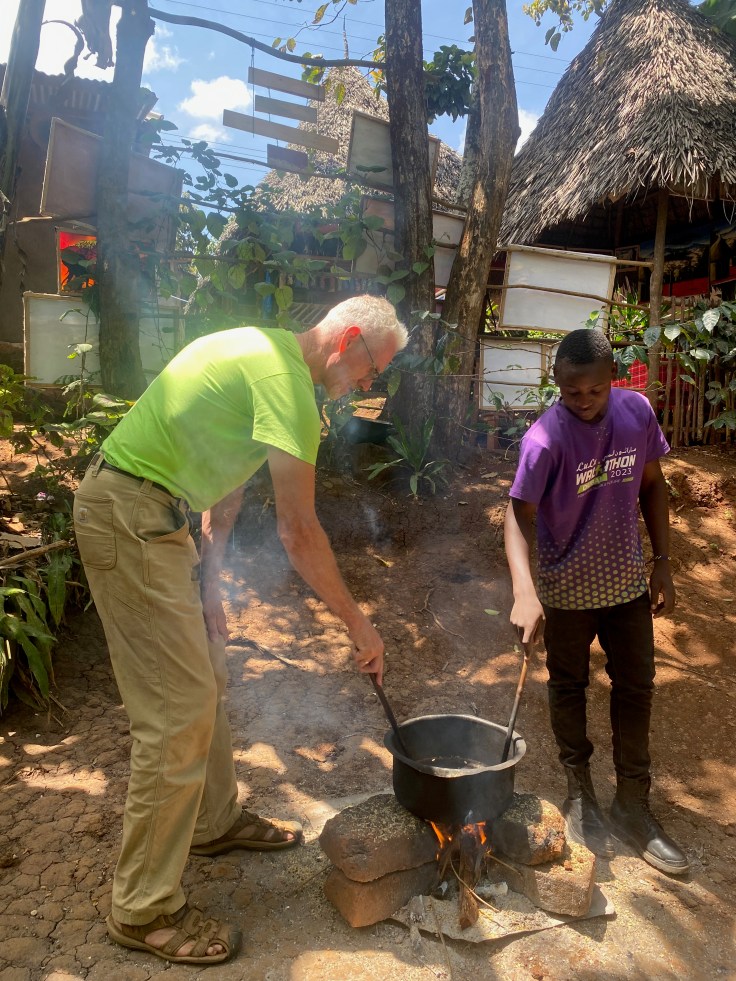
There were no signs at the plantation so we drove up and down the mountain asking villagers for the location. Coffee grows best in the shade and here the coffee is grown under banana plants amongst taro root and random avocado and mango trees. Removing husk, winnowing, grinding and roasting were all done with manual devices. I had a nice cup of coffee made from fresh beans after I watched the processing and men dancing as they worked.
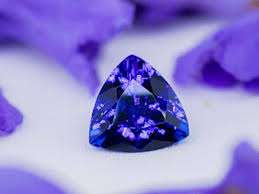
In Arusha I visited the natural history museum and learned about Tanzanite, a blue/green/ruby gem stone. The only place in the world it is found is in a mountain fold near Arusha. The Maasai used this stone in a rudimentary board game for centuries until in the 1960’s somebody had the mineral analyzed and found out it was a blue zoisite (very rare). Tiffanies named it Tanzanite and wanted lots of it. It is no longer used in board games. For Tanzanians, this is an engagement gem.
The one big financial plunge I took was to take a one-day safari to Ngorogoro Crater. This is the biggest intact (unbroken) volcanic caldera on Earth. A caldera is a large depression formed when a volcano erupts and collapses. The Ngorongoro Crater is also a natural sanctuary for some of the densest populations of large mammals in Africa and contains the big five ((elephant, lion, leopard, buffalo, rhino).
Due to its enclosed nature, the Ngorongoro Crater is its own ecosystem. Livestock belonging to Maasai tribe graze alongside wild animals – and Maasai are allowed to kill lions stocking their herds. Killing a lion traditionally was a rite of passage for young Maasai men but this practice is minimized due to declining lion populations.
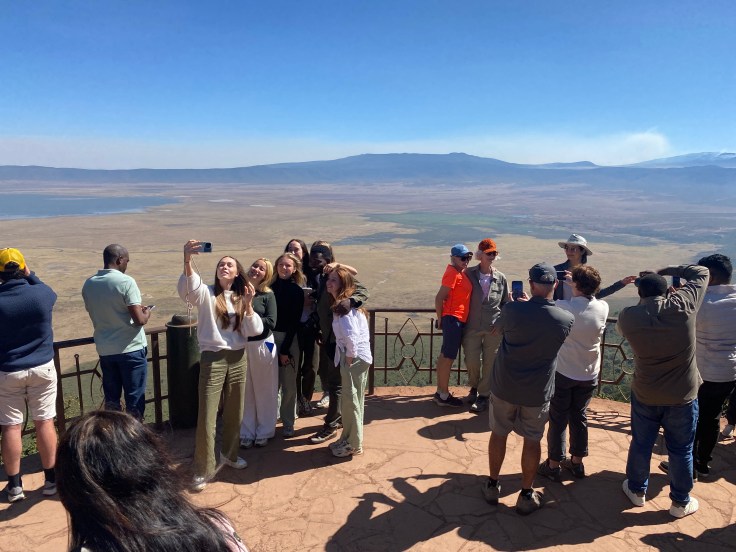
Safaris are big business in Tanzania and especially in Arusha. For a year I have been negotiating prices for everything from the price of a mango to the cost of a bodaboda ride. I feel proud when I save the equivalent of 25 cents. On principal I want to spend the same amount as a Tanzanian. But for Ngorogoro Crater, you have to pay Mzungu prices. So, I bit the bullet.
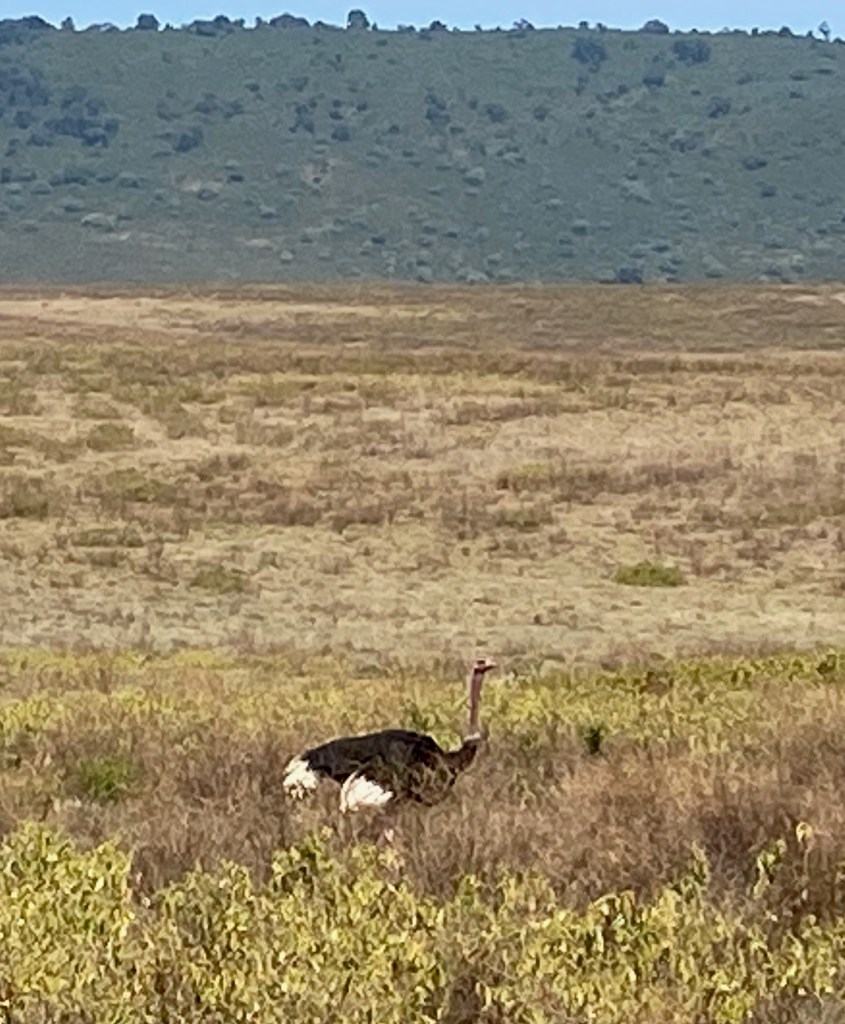
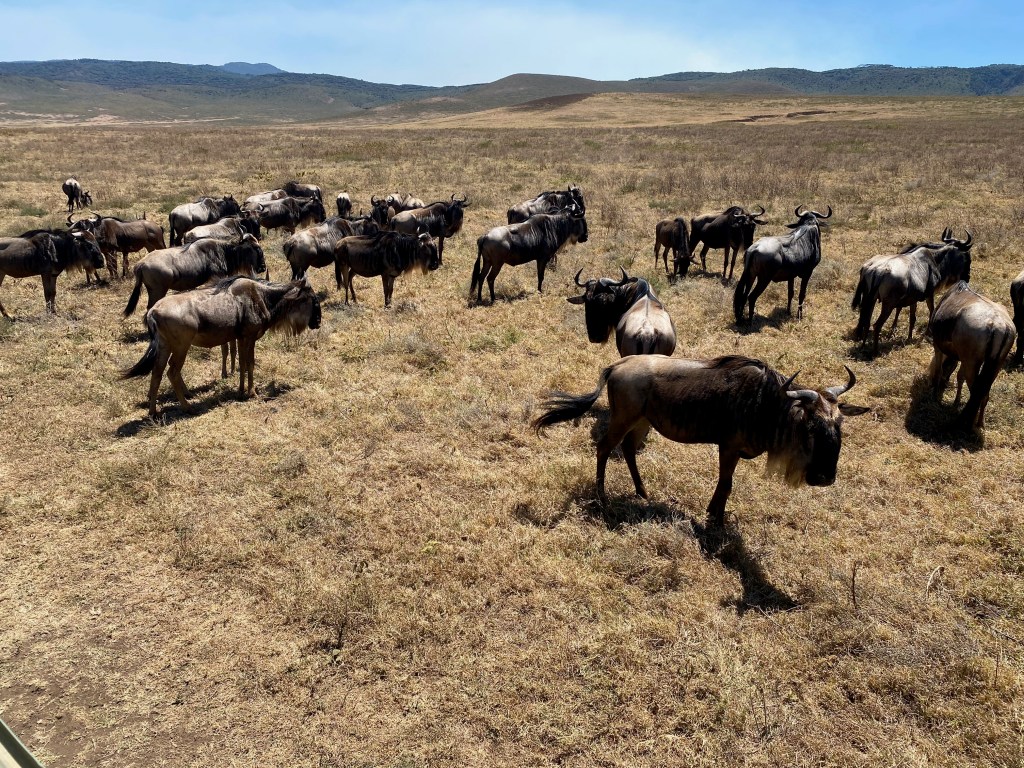
This is high season for safaris because it’s the dry season. Along with roughly 200 other safari vehicles, each filled with 4 – 10 tourists, we drove the circuit inside the crater. I shared the vehicle with 3 Brits and an American. We saw elephants, wildebeest, water buffalo, lions, hippos, baboons, zebras, warthogs, ostrich, several verities of antelope and gazelle. I enjoyed this very much.
I am finishing tasks in my last 10 days in Morogoro. I have many feelings about this.


Previous Posts
Oct. 2023 https://twoacres.blog/2023/11/02/a-month-in-morogoro-tanzania/
Nov. 2023 https://twoacres.blog/2023/11/24/learning-to-wait/
Dec. 2023 https://twoacres.blog/2023/12/29/genetic-brothers-and-sisters/
Jan. 2024 https://twoacres.blog/2024/01/22/being-ki-rafiki-friendly-and-other-stuff/
Feb 2024 https://twoacres.blog/2024/02/26/ah-to-be-young/
April 2024 https://twoacres.blog/2024/04/14/meandering-mzungu/
May 2024 https://twoacres.blog/2024/04/30/direct-aid/
June 2024 https://twoacres.blog/2024/06/12/remember-the-future/
June 2024 https://twoacres.blog/2024/06/21/mobile-money/
July 2024. https://twoacres.blog/2024/07/18/gansta-rap-and-the-goat/
August 2024. https://twoacres.blog/2024/08/27/tribal-tendency/
August 2024. https://twoacres.blog/2024/09/17/arusha/
 Kilimanjaro Dreams
Leave a comment