
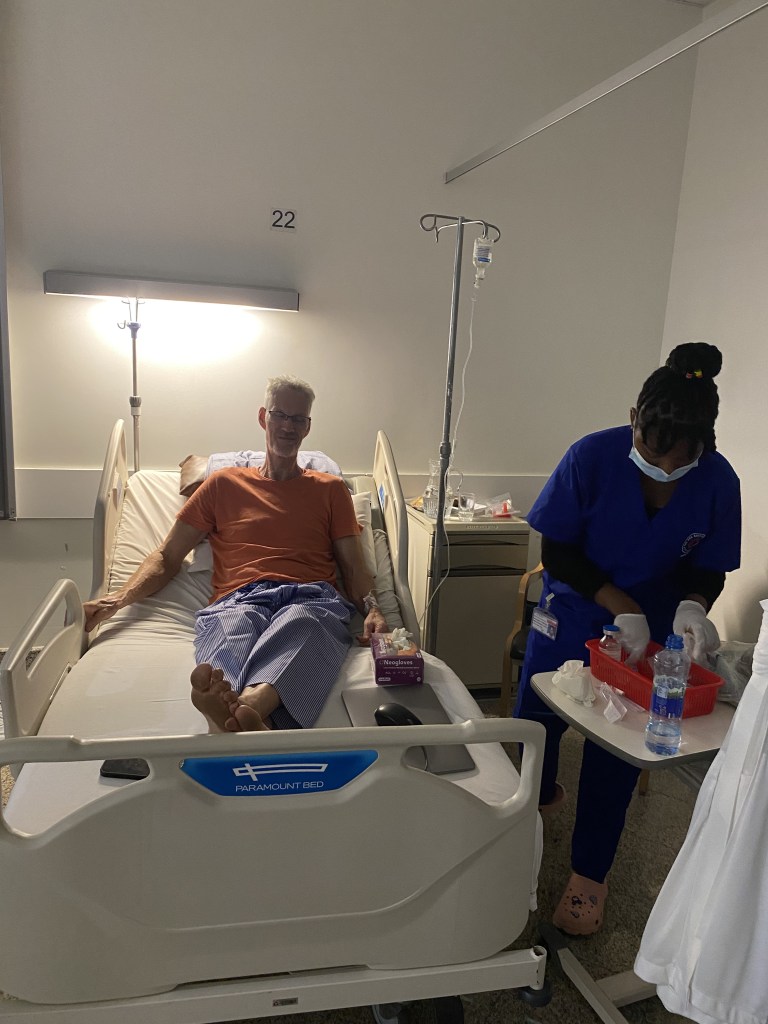
I am well. I was sick for over a month and was in the hospital but am well now. It took up a month of my life, my thoughts and my energy and I’m tired of thinking about it. Many thanks to those who knew and reached out.
I am focusing on happy things and encouraging encounters now. There is so much of this.
Why don’t you say hello?
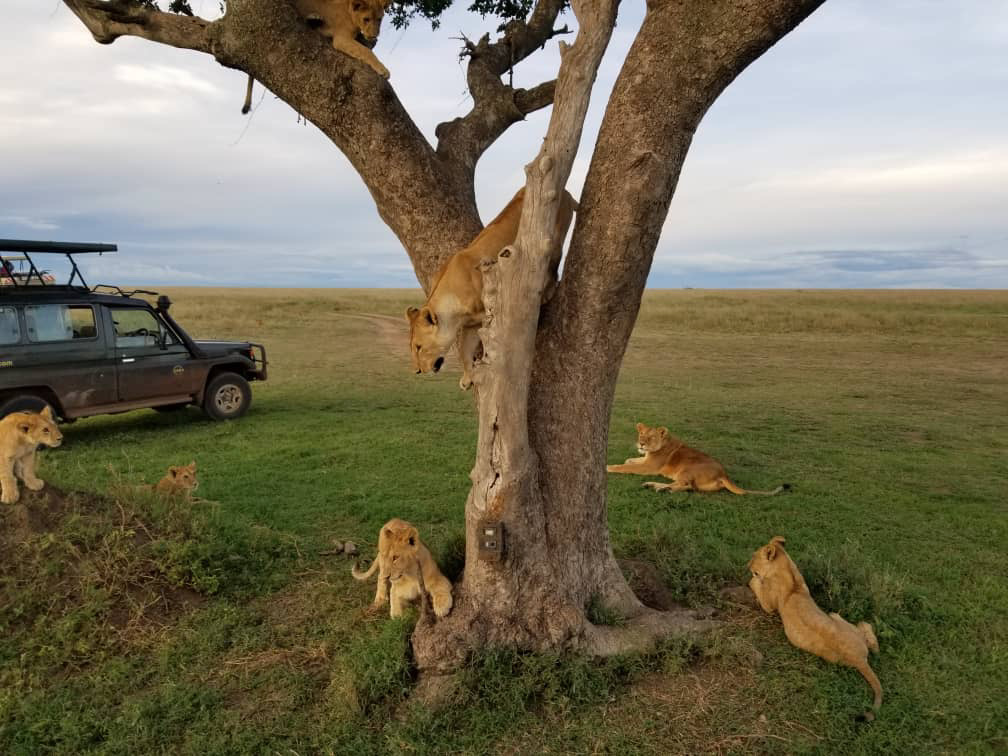
When we were driving around Ruaha National Park in October looking for lions and elephants, we would encounter other safari vehicles on the narrow dirt tracks punched through the Savana. Ben our driver, would pull up to their vehicle and the Tanzanians would have a 5-to-10-minute conversation in Swahili with lots of laughing and gesticulations. The white folks in both vehicles most times didn’t even say hello, maybe provided an uninterested nod, but that was it. Ben asked me, “why don’t you say hello. If I was in Canada and I saw a black man and I could talk to him in my language we would be instant brothers, I’d want to know everything about him … .”
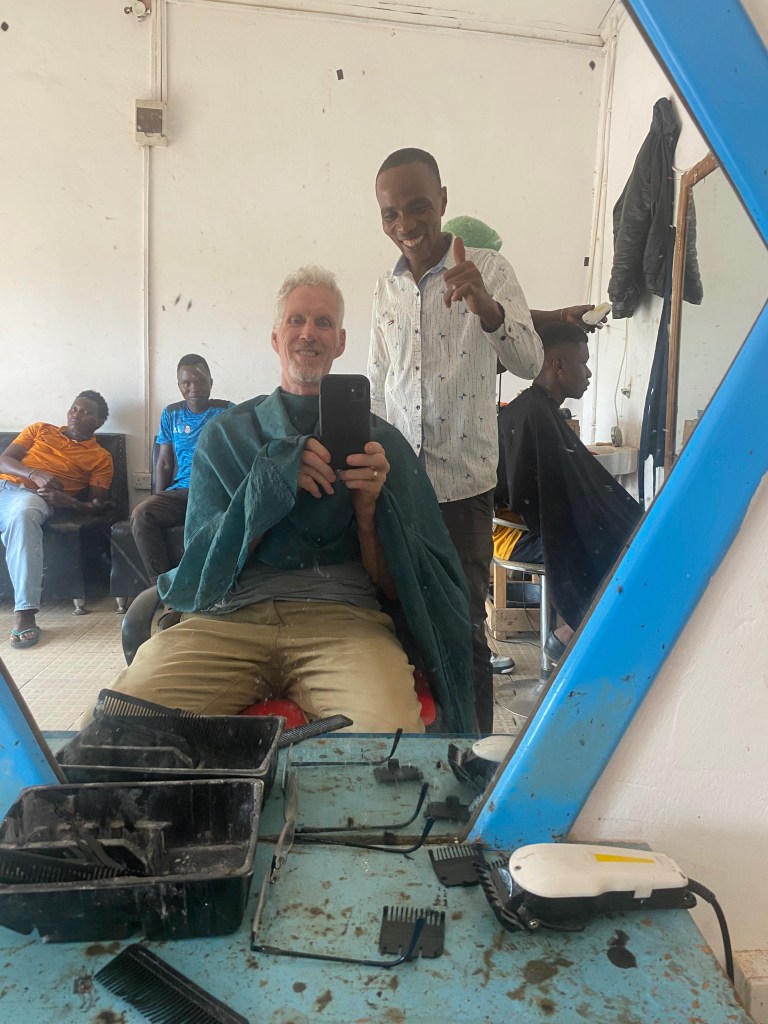
This happens when I am in Morogoro too. I see white people, which is seldom, and our encounters are rarely vocal, no more than a nod of recognition and maybe hello. Another mzungu …
Friendliness is a nationwide phenomenon. When Tanzania gained independence from Britain (1961), the founder Julias Nyerere encouraged all tribes to think of themselves as Tanzanians first and their tribe affiliaton second. This had profound implications. With the exception of Kenya, the many conflicts of boarding countries to Tanzania are the result of tribal fighting, religious differences and corrupt iron fisted dictatorships. Note – one million Tutsis murdered in 100 days during Rwandan genocide. Since 1998 over 5 million have died in the Democratic Republic of the Congo (DRC) due to territorial and tribal disputes. Tanzania is a bastion of stability surrounded by unstable nations. Can a leader influence friendliness? It’s very evident a leader can instill anger – i.e. – The Donald.
Does this have anything to do with an economy? Tanzania just recently (2020) rose from being designated a poor income economy to lower middle-income economy and is poised to become a middle-income country in the next 5 to 10 years. Countries with less than $1,035 Gross National Income per capita (the dollar value of a country’s final income in a year divided by its population) are classified as low-income countries, those with between $1,036 and $4,085 are lower middle-income countries. Will friendliness ride along with an improved economy?
My theory, there is no relation between friendliness and personal income. Friendliness is a cultural quality. Perhaps there should be a GFI – Gross Friendliness Index. Tanzania would rate high on this. Many studies show that being friendly to strangers creates a feeling of wholeness and well-being and … happiness. Tanzanians are very friendly to me. Hmm, I could learn from this. Personal commitment – be friendly to one stranger every day.
One can fall into a google abyss searching for definitions and lists rating the friendliest and happiest countries in the world – I just pulled out of this google crevasse, don’t go there. But I learned that in 2011, the UN General Assembly adopted a resolution “Happiness: Towards a Holistic Definition of Development,” but looking at the list of the happiest countries I am skeptical of the criteria and metrics used. All of the countries in the top ten for 2023 are “developed” countries.
Food Beautiful Food
I rarely see my Tanzania colleagues at work eat. The farm is on university land and we are close to student residences where there is a cafeteria a 15-minute walk away, few go there. I see the field staff hanging out by a fire mid-day where they drink tea and cook ugali – a staple food consisting of corn meal boiled in water or milk. I bring nuts and a sandwich to the office and I have learned to bring a lot more than I can eat because if you have food you must share. So, half of what I bring goes to several of the people who drop by my desk to say hello. I know I have created expeditions, but food is to share. The five or six cashews I give them may be the only food they eat during the day – its’ hard to know. Nobody is starving, but I can’t figure out when they eat.
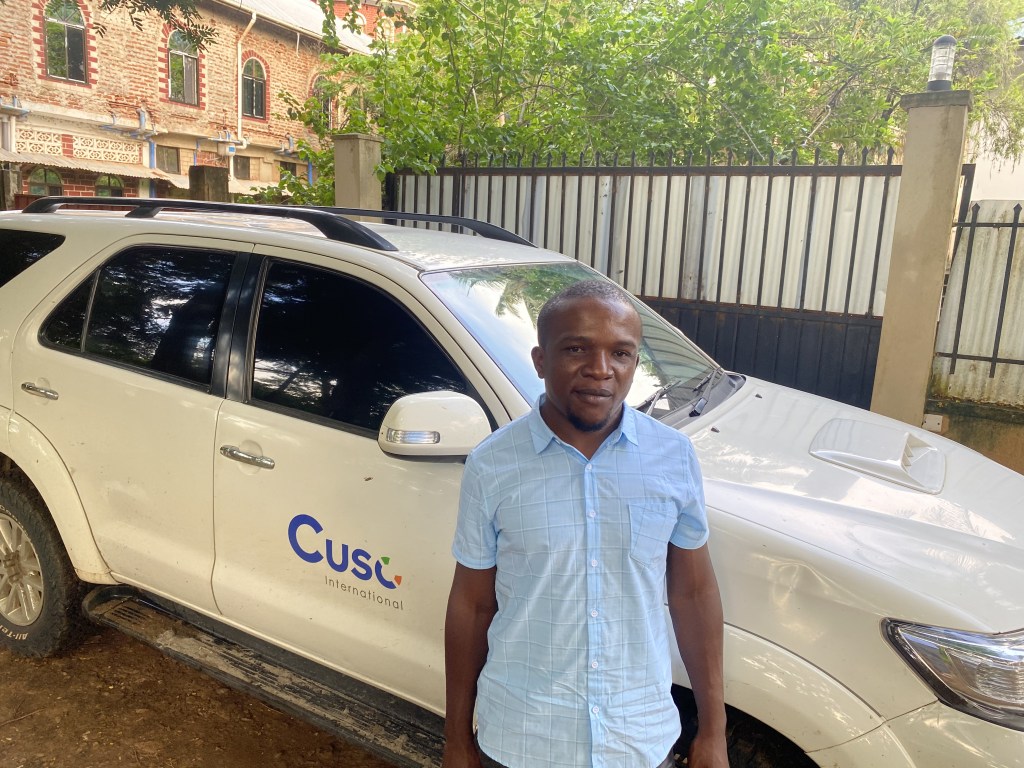
When I was driving with Ben recently, he stopped to buy some mangoes on the side of the highway. He bought four dozen – I commented, “wow, you must love mangoes,” but found out he must distribute most of them to his brothers and sisters’ families – it’s expected. Ben comes from a Muslim family of 30 brothers and sisters – his father had four wives and four families. They have a good time when they get together, and they eat a lot of mangoes.
On the Work Front
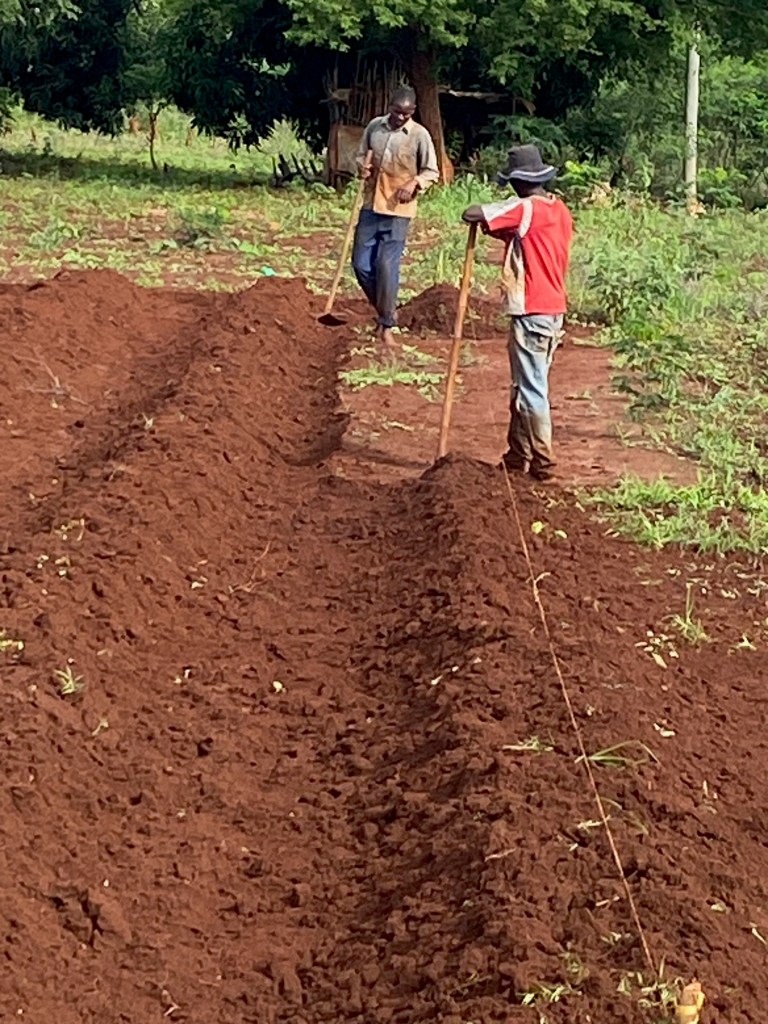
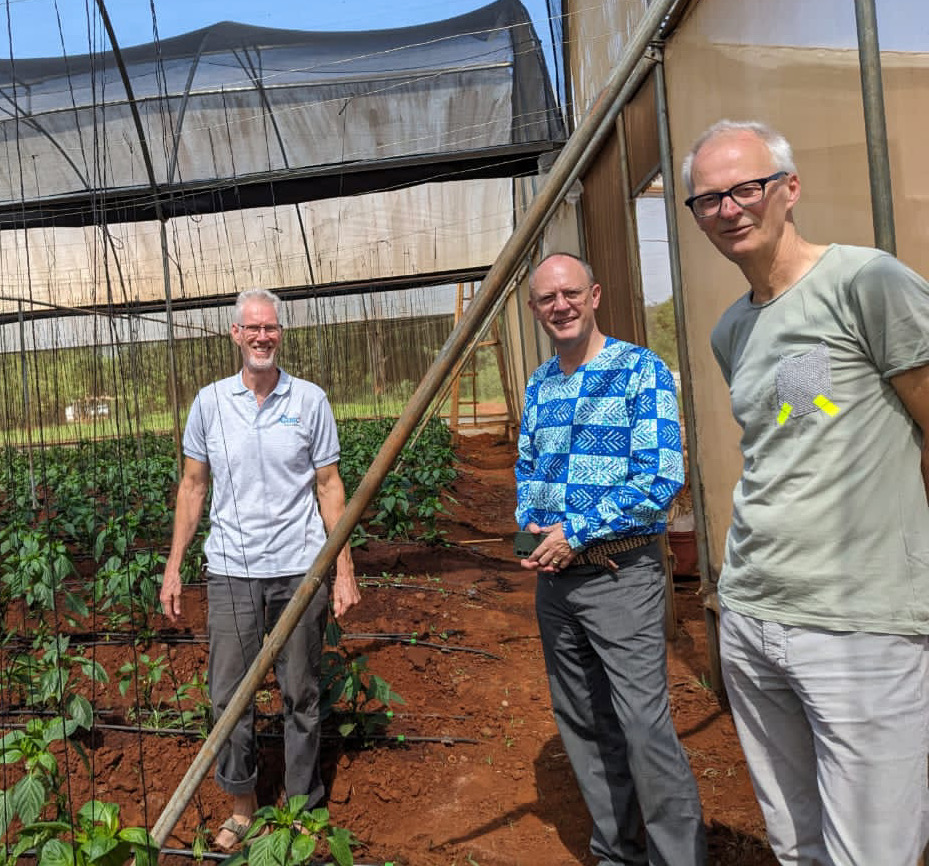
I wasn’t able to work for over a month from being sick in December and early January. But I am continuing to develop a project involving cassava and finding many challenges with getting good information. My job is to take the idea and work out all of the elements, processes and costs. And every few days a new idea comes to me from managers and I try to incorporate it into a proposal. It’s a really good project with massive potential and if it ever gets off the ground it will change the lives of farmers, provide employment and generate entrepreneurial opportunities for youth and or women to develop agriculture businesses. I’m hopeful.
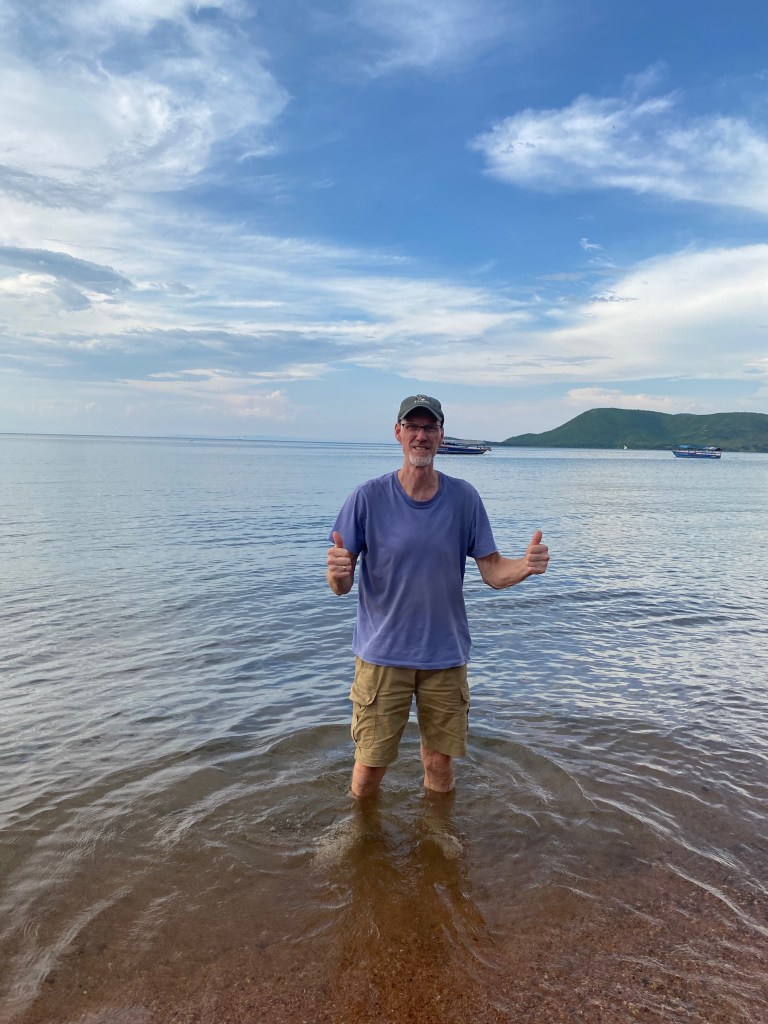
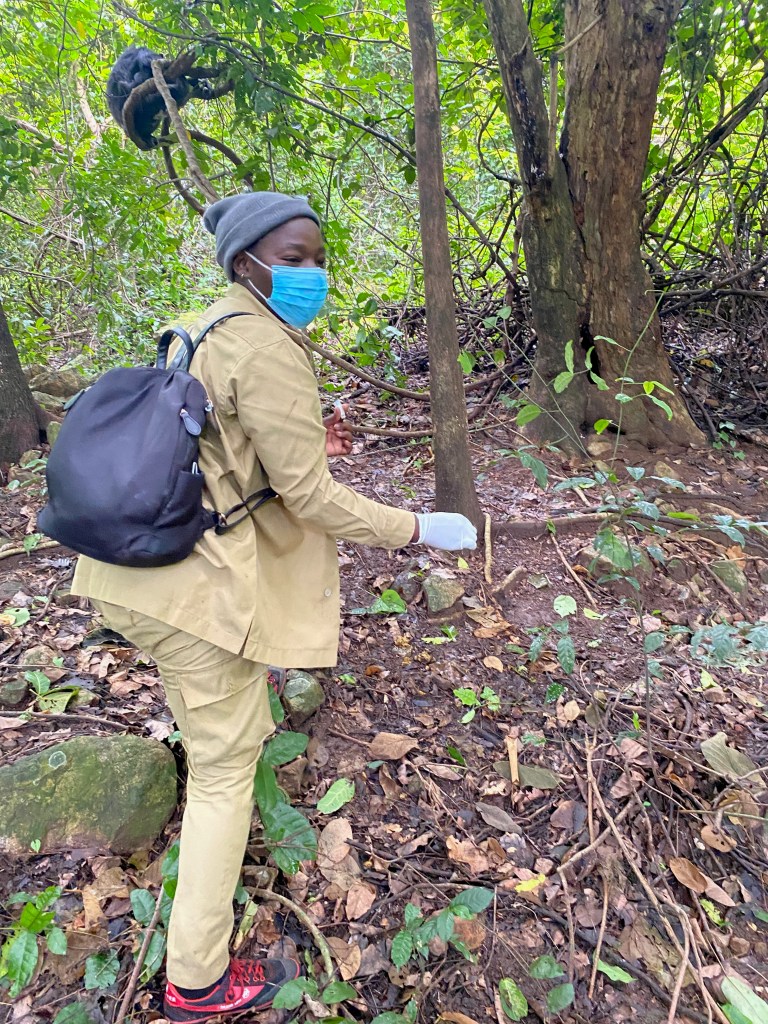
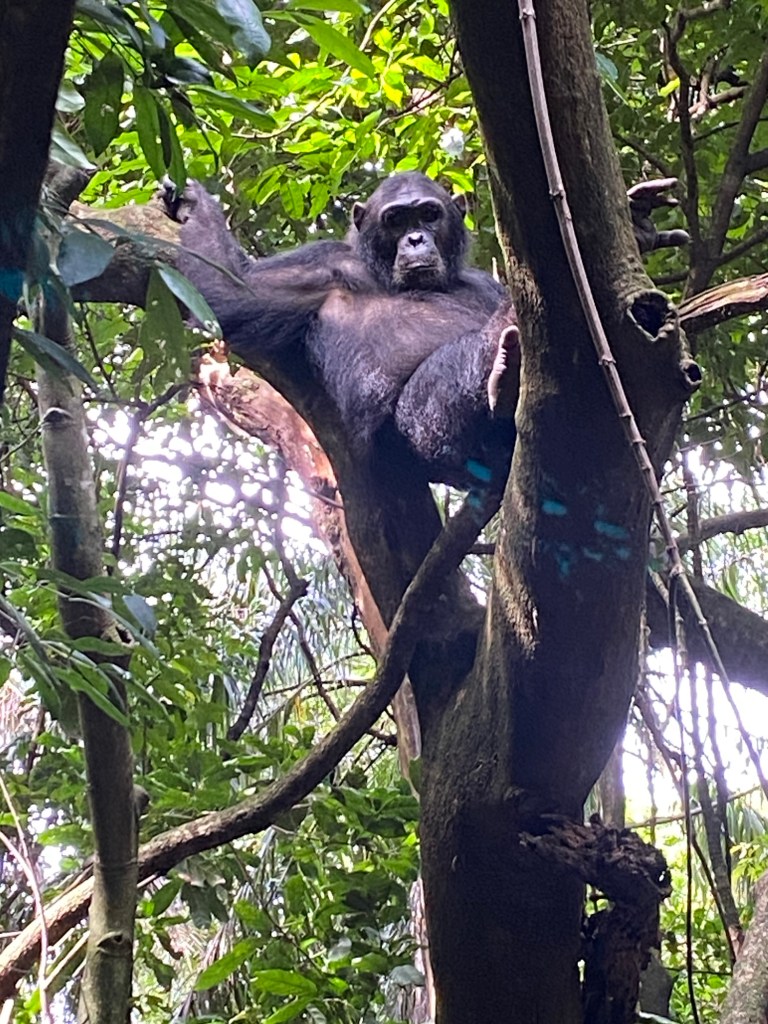
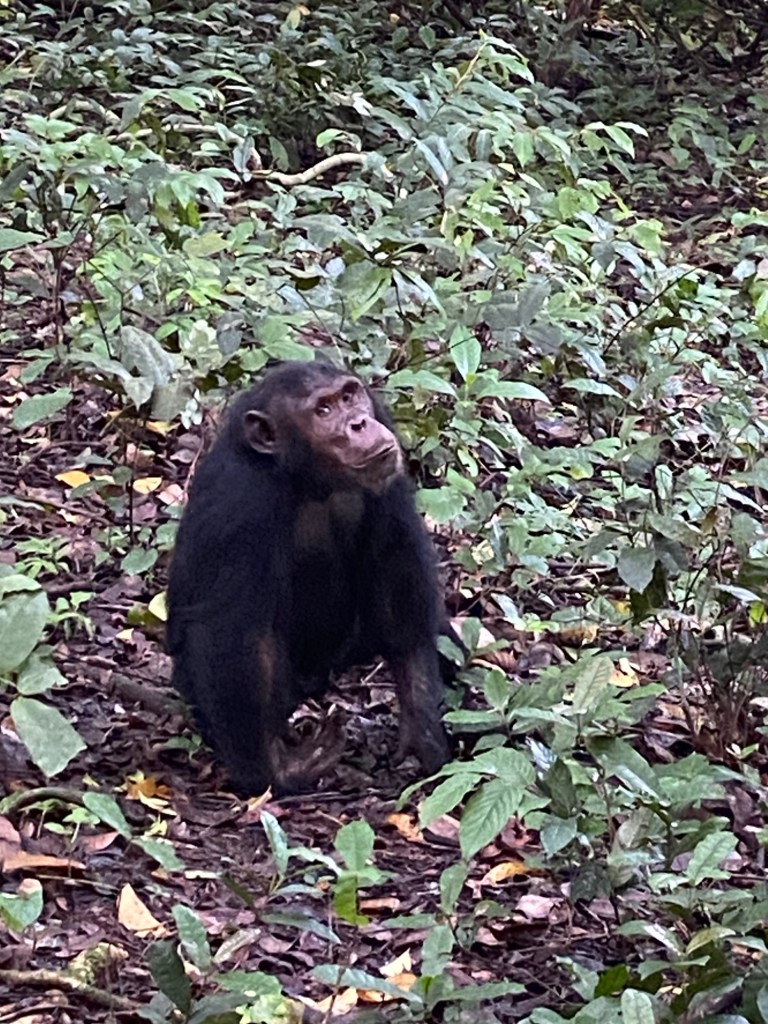
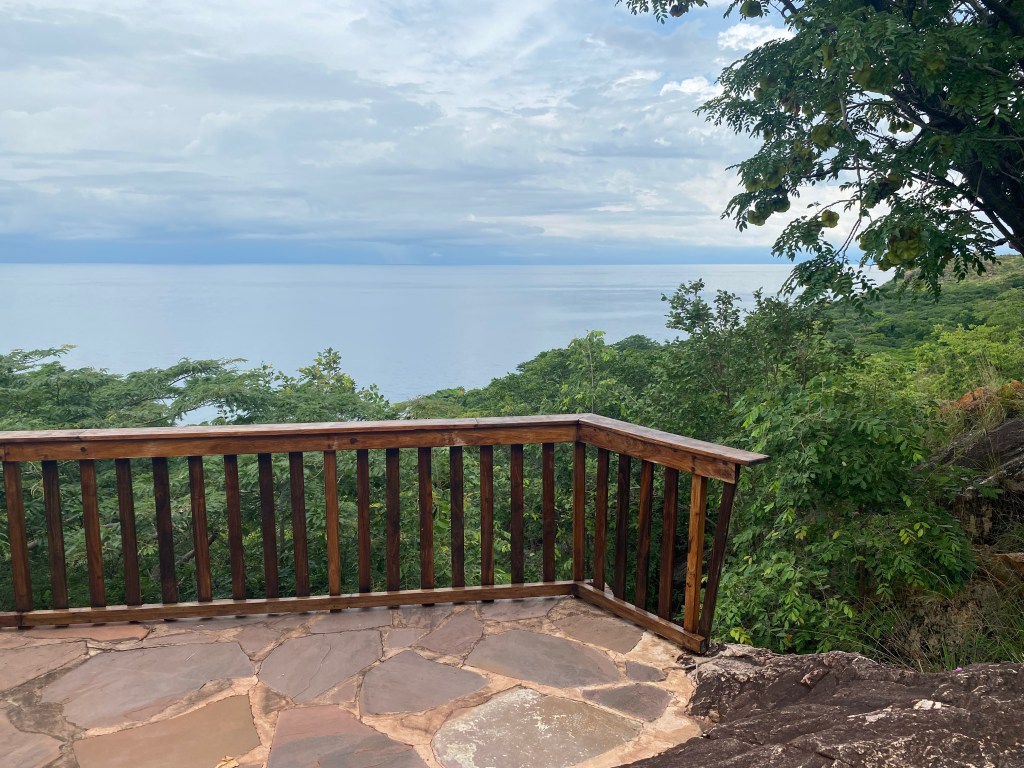
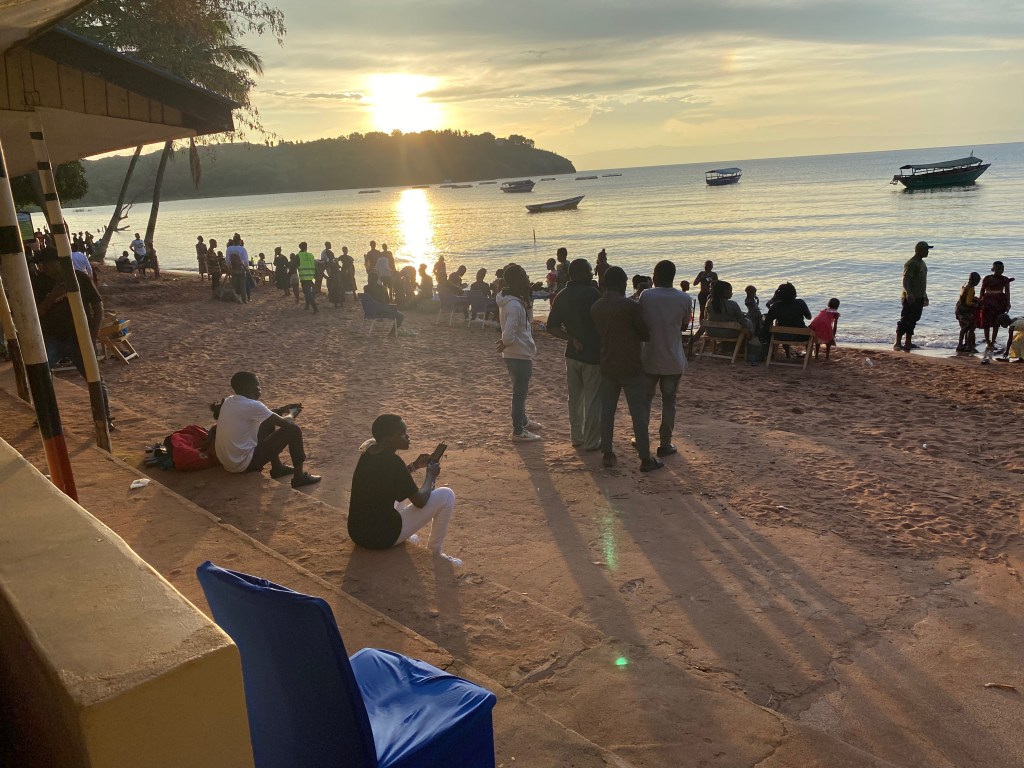
The designated location for this project is in the western region of Tanzania – Kigoma. I travelled to Kigoma in December and was there for 10 days to see bit of the country. Much of my time was beside Lake Tanganyika – the longest freshwater lake in the world (660 km) and the second deepest (1,436 meters). DRC, Burundi and Zambia boarder Tanzania on the lake. I went there because I like lakes and I wanted to see Chimpanzees. Jane Goodall did her work where I visited, it’s now a National Park. Gombe Stream . Swimming in the lake was fabulous. Some English folks I met in the town went to a different park along the lake – more remote – and they were not allowed to swim because hippos and crocodiles hang out on that beach. Christmas in the town of Kigoma was very nice beside the lake with beer and mishkaki (kabobs) and where many families go to celebrate. The 19-hour bus trip back to Morogoro was not beneficial to my health. Note to self – travel when healthy.
Videos and Pictures below.









 Kilimanjaro Dreams
Leave a comment